New Arrivals — Browse our catalog for the latest authentic Japanese sword arrivals. Browse →
20th day of the 8th month, Genki 1 (1570)
Imayama (near present-day Yamato-chō, Saga City, Saga Prefecture)
Forces
Ryūzōji–Nabeshima Forces
Ōtomo Forces
About 9 min read
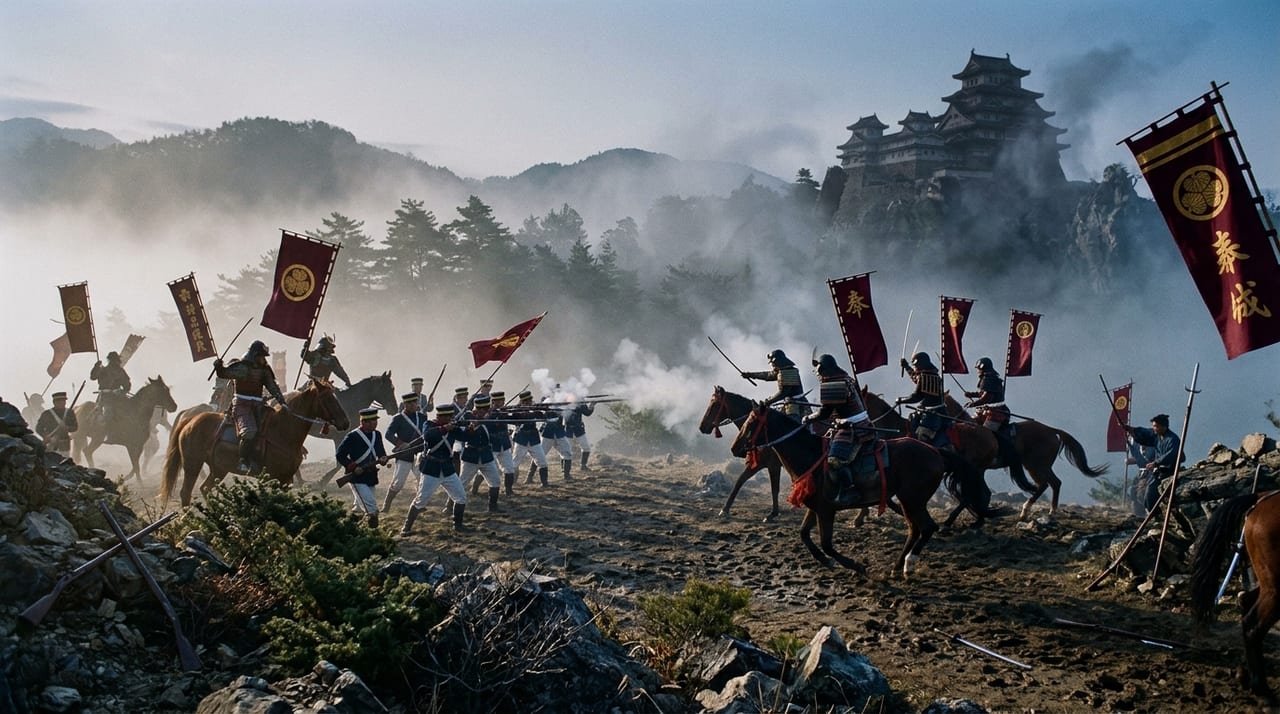
The Battle of Imayama, fought in the 8th month of Genki 1 (1570), is known as one of the greatest reversals in the Sengoku history of Kyushu. Against the overwhelming army of Ōtomo Yoshishige (Sōrin), the great daimyo of Bungo, Nabeshima Nobunari, a senior retainer of Ryūzōji Takanobu, a mid-ranking daimyo of Hizen, defeated the Ōtomo forces encamped at Imayama in a night raid. The battle sparked the rise of the Ryūzōji clan.
Ryūzōji Takanobu (1529–1584) was born into the Ryūzōji clan, a local lord in Hizen Province (present-day Saga and Nagasaki prefectures). From a young age he excelled in both strategy and military skill. He destroyed the Shōni clan, his former overlord, and subdued local powers such as the Baba clan and Egami clan one after another, growing into the most powerful figure in Hizen.
It was Ōtomo Yoshishige (Buddhist name Sōrin, 1530–1587), based in Bungo (present-day Ōita Prefecture), who was wary of the rise of the Ryūzōji clan. Ōtomo Sōrin is also known as a Christian daimyo, and was the largest Sengoku daimyo in Kyushu, making use of firearms and cannon obtained through Nanban trade. Throughout the Eiroku era (1558–1570), Sōrin increased pressure on the Ryūzōji clan and finally resolved to dispatch a large army to Hizen.
In the spring of Genki 1 (1570), Ōtomo Sōrin dispatched a large army to Hizen and besieged Saga Castle (Sagajō; the site of the later Saga Castle), in Saga City, the base of Ryūzōji Takanobu. The Ōtomo army is said to have numbered 60,000 to 80,000 (estimates vary). The Ryūzōji side holed up in the castle to defend it, but had no prospect of reinforcements, and Takanobu was placed in a desperate crisis.
The one who overcame this crisis was Nabeshima Nobunari (later Nabeshima Naoshige, 1538–1618), a senior retainer of the Ryūzōji clan. Nobunari saw the recklessness of confronting the enemy’s massive army head-on. Learning that Ōtomo Chikasada, the commander of the siege, had encamped at Imayama (near present-day Yamato-chō, Saga City) and was holding a drinking party on the eve of the general assault, he devised a night raid to strike the enemy leadership.
Nobunari led over 500 hand-picked elite troops and slipped out of the castle from the night of the 19th to before dawn on the 20th day of the 8th month of Genki 1 (19 September 1570), launching a surprise attack on Chikasada’s headquarters at Imayama. The headquarters, where vigilance had slackened amid the drinking, was thrown into confusion in an instant. The commander, Ōtomo Chikasada (younger brother of Ōtomo Sōrin), was killed by Narimatsu Nobukatsu. With their commander dead, the Ōtomo forces at Imayama scattered in retreat. The Ōtomo army continued its siege of Saga Castle, and on 29 October 1570 (Genki 1/10/1) a peace was concluded and Sōrin withdrew to Bungo.
Ryūzōji Takanobu himself was under siege within the castle, and it was Nabeshima Nobunari who directly commanded the Imayama raid. Through this achievement, Nobunari further raised his standing within the Ryūzōji clan, laying the groundwork for the later establishment of the Nabeshima domain.
The night raid at the Battle of Imayama is known as a typical example of surprise tactics of the Sengoku period. It is said that Nobunari’s raiding party fired guns into the enemy camp and spread the false report that “someone had defected.” This induced the enemy to fight among themselves, and then the raiders charged into the headquarters.
Hizen swords (Hizen Tadayoshi school), known as a sword-smithing tradition of Kyushu, developed in the early Edo period with the support of the Nabeshima domain. Hizen Tadayoshi (first generation) is said to have studied under Umetada Myōju in Kyoto at the behest of the Nabeshima house in 1596 (Keichō 1) and became the ancestor of the school. The samurai authority of the Nabeshima house, established through the Battle of Imayama, became the direct foundation of Hizen sword culture.
The victory at Imayama was a local one. Ryūzōji Takanobu nonetheless continued to adopt a posture of submission to the Ōtomo clan, but by obtaining a favorable peace he laid the groundwork for conquering Hizen. Takanobu then expanded his power rapidly, and during the Tenshō 10s he became a major force in Kyushu known as the Bear of Hizen. The three-way struggle among the Ōtomo, Shimazu, and Ryūzōji for supremacy in Kyushu moved decisively at the Battle of Okitanawate in Tenshō 12 (1584), where Takanobu was defeated by the combined forces of Shimazu and Arima and died in battle.
The Ryūzōji clan was afterwards dominated by Nabeshima Naoshige, and in the Edo period the Nabeshima clan ruled Hizen Saga as lords of the Saga domain. It could also be said that the true beneficiary of the Battle of Imayama was Nabeshima Naoshige, who planned and carried out the surprise attack. The Battle of Imayama is still passed down as local history in present-day Saga City.