最新消息 — 最新入荷資訊請查閱商品目錄。 查看 →
深入了解日本刀知識與文化的見解
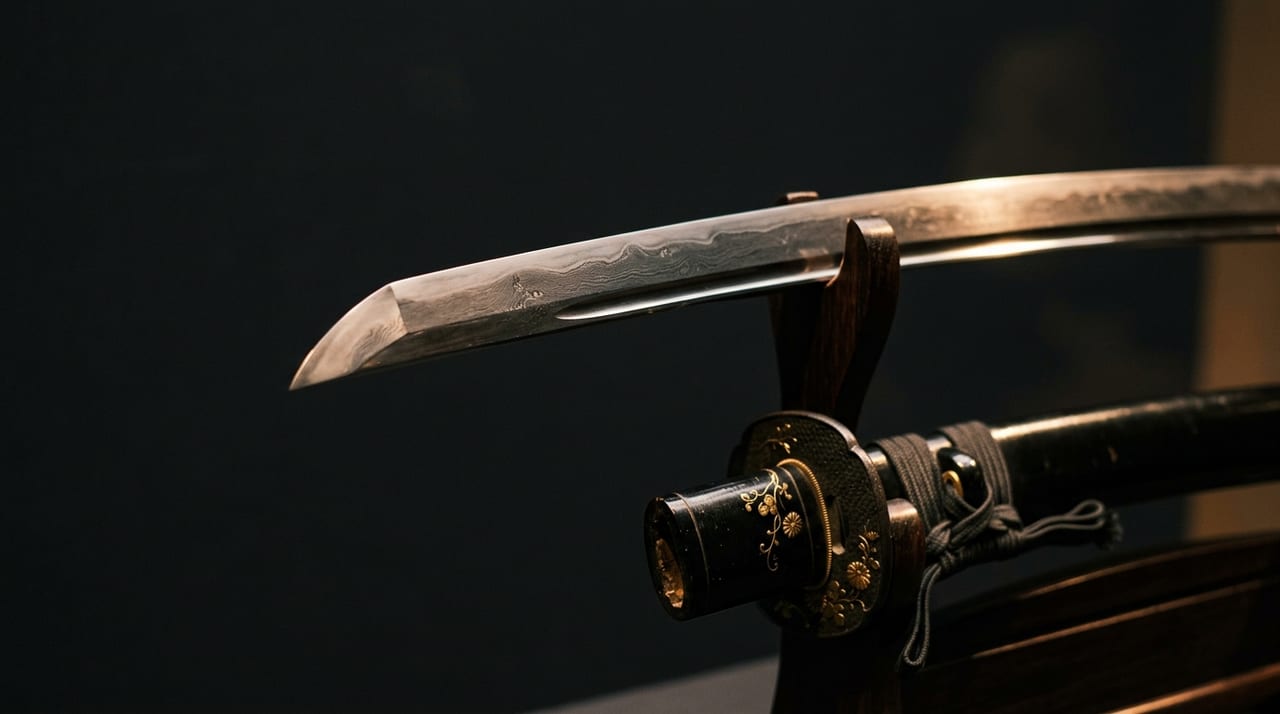
The beauty of a nihonto's hamon is defined by the quality of its nie (coarse martensite crystals) and nioi (fine martensite particles). This article explains the crucial difference between these two phenomena, their metallurgical formation mechanisms, and how to appreciate them — combining traditional connoisseurship with materials science.
Swords used in iaido, kendo, and battojutsu training range from live blades (genuine Japanese swords) to iaido swords (alloy-made dull blades). This guide thoroughly explains the characteristics, legal status, selection methods, and price ranges of each type for martial arts beginners.
The jihada (surface texture) patterns of Japanese swords — itame, masame, mokume, o-itame, ayasugi-hada — form during the folded forging process. This article explains why each pattern forms and how to appreciate them, drawing on both metallurgical science and traditional connoisseurship.
Despite the 1876 sword ban, military demand for swords continued through the Meiji, Taisho, and Showa eras. This article examines the contrast between factory-produced military swords and hand-forged shin-gunto made by traditional smiths, and their complex postwar legacy.
Modern swordsmiths operate within multiple recognition systems. This article explains the mukansa designation from the New Work Famous Sword Exhibition, the Agency for Cultural Affairs' Living National Treasure recognition, and how NBTHK evaluation applies to modern swords — all from the perspective of collectors who want to understand what these distinctions mean for value and quality.
The nakago (tang) is the sword's historical record. File marks, peg holes, signatures, and the color of rust all reveal the blade's production period, origin, and subsequent history of alterations. This advanced guide explains how to read each element of the nakago for connoisseurship and authentication.
Many nihonto businesses are unprepared for the growing wave of international collectors. This practical checklist covers English product descriptions, export procedure assistance, NBTHK certificate international recognition, and everything else needed to serve foreign buyers effectively.
As the yen weakens and overseas collectors gain purchasing power, nihonto market prices are shifting dramatically. This report analyzes price trends across koto, shinto, and modern swords, the premium commanded by NBTHK certification, and the sword's evolving role as an alternative asset.
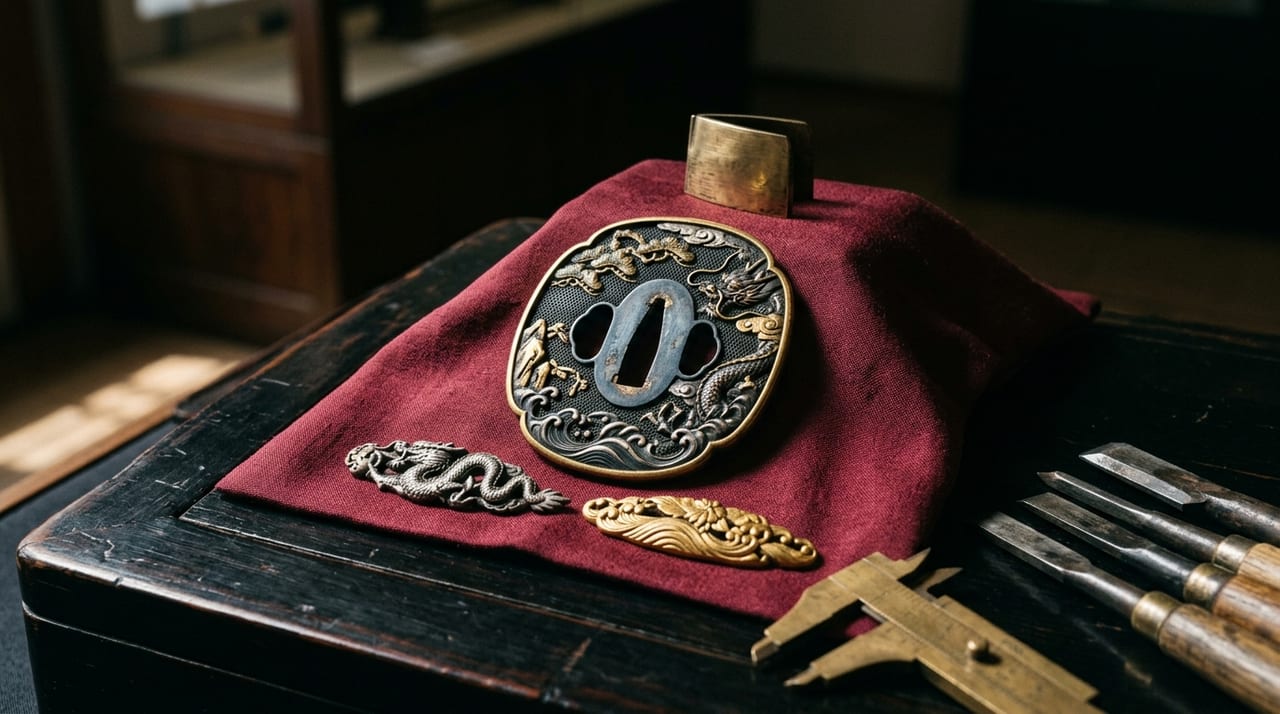
Nihonto restoration involves multiple specialized craftsmen — polishers, scabbard makers, metal fittings artisans. This practical guide covers who does what, cost estimates, lead times, and how to prioritize restoration work for collectors and dealers alike.
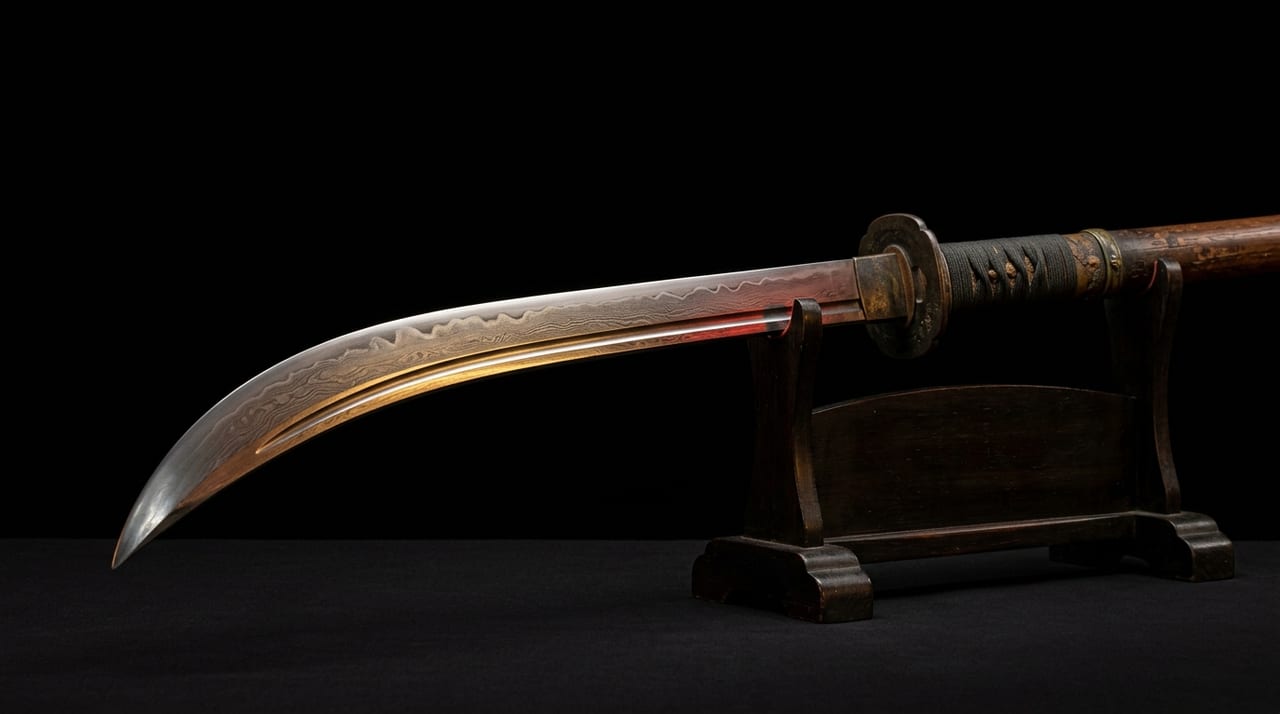
Ōdachi and nodachi are Japan's largest sword form, with blades exceeding 90cm. This guide explains how mounted warriors wielded these giant blades during the Nanboku-chō period, their religious significance as dedication swords, and the characteristics of existing National Treasure and Important Cultural Property examples.
Beyond the celebrated Five Traditions, Japan had numerous regional swordsmithing cultures. This article explores the lesser-known schools of Satsuma, Mutsu, Dewa, Echizen, Sanuki, and other regions — their distinctive characteristics, historical contexts, and surviving works.
The full picture of the arms industry that sustained Sengoku-era demand: the production networks of swordsmiths, armor makers, bow craftsmen, and later gunsmiths, the patronage systems of daimyo, and how mass production shaped nihonto quality and variety.