最新消息 — 最新入荷資訊請查閱商品目錄。 查看 →
深入了解日本刀知識與文化的見解
An examination of sword-carrying customs during sankin-kotai processions, the development of travel-specific sword mountings, and the practical sword management of samurai in the provinces.
An analysis of copyright and IP protection for swordsmith designs, hamon patterns, and signatures, along with legal responses to sword imitation and forgery issues.
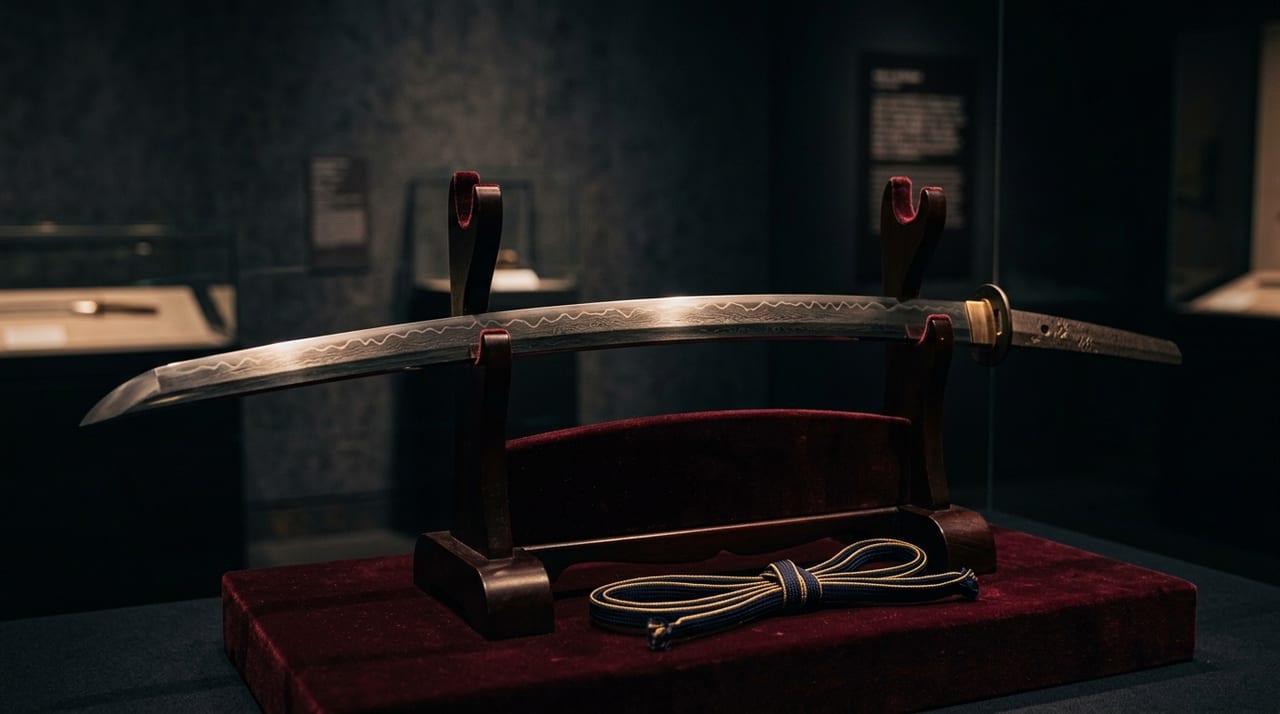
Explains the types, generation mechanism, and importance in authentication of 'chikei (地景)' appearing in the jigane (地鉄) of nihonto. Details the shape classification of chikei—straight, curved, and branching—characteristics by the five schools (Gokaden), and the polisher's (togishi's) techniques for revealing them.
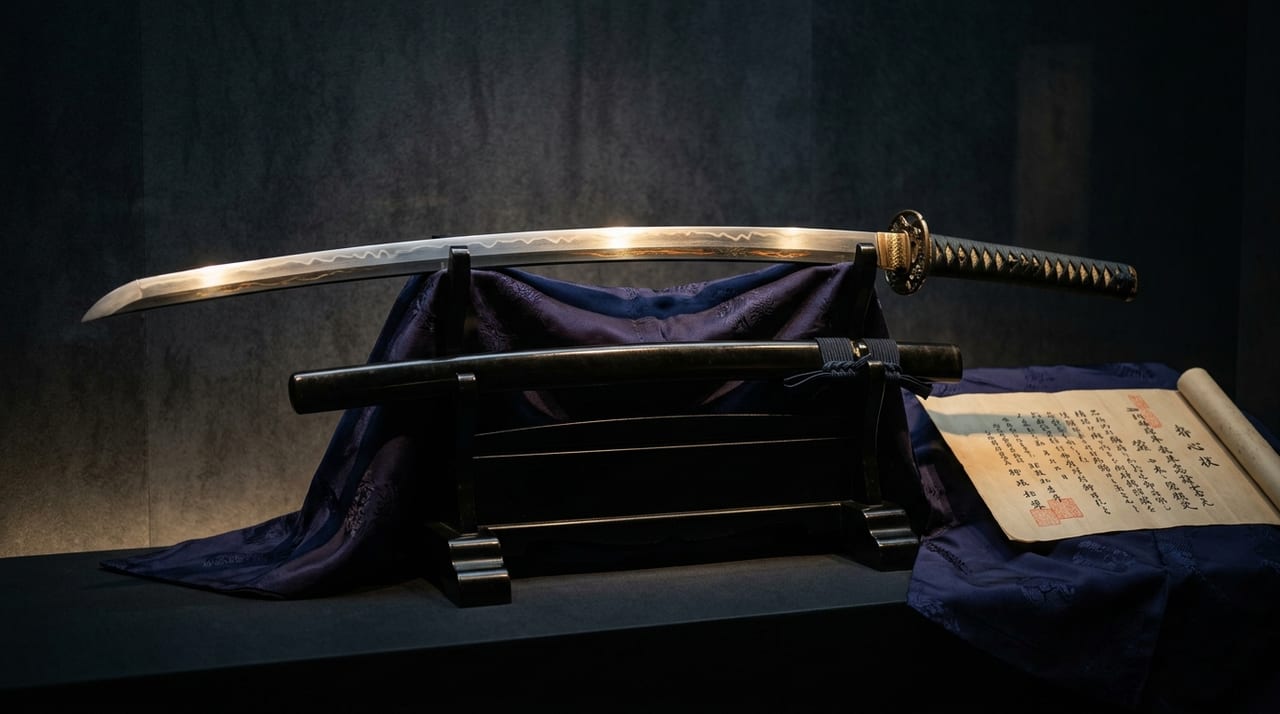
This article explains the social background of the sword authentication boom that occurred in the mid-Edo period (Genroku to Hōreki eras) and the realities of the 'shoshinshō' (正真書) certificate issuance system monopolized by the Honami family. It details appraisal fee scales, competition within branch houses, and the problem of counterfeit certificates.
Explains legally compliant methods for disposing of unwanted nihonto. Details all procedural steps in accordance with the Firearm and Sword Control Law, from verification of registration certificates through police notification, sale to sword merchants, and donation to museums, including estimated costs.
Comparing nihonto forging with kitchen knife and farm tool smithing — shared steel-working principles and the unique demands of tamahagane, clay-quenching, and aesthetic excellence.
An explanation of the types, forms, and ritual significance of votive swords (hōnōtō) created and dedicated to shrines and temples. Covering divine-body swords (goshintai-tō), tachi-form votive swords, and small votive swords, with detailed treatment of important extant examples and the history of votive practices.
Examination of Japan's official sword export routes via tally trade with Ming China, Korea, and the Ryukyu-brokered Southeast Asia trade in the 15th–16th centuries.
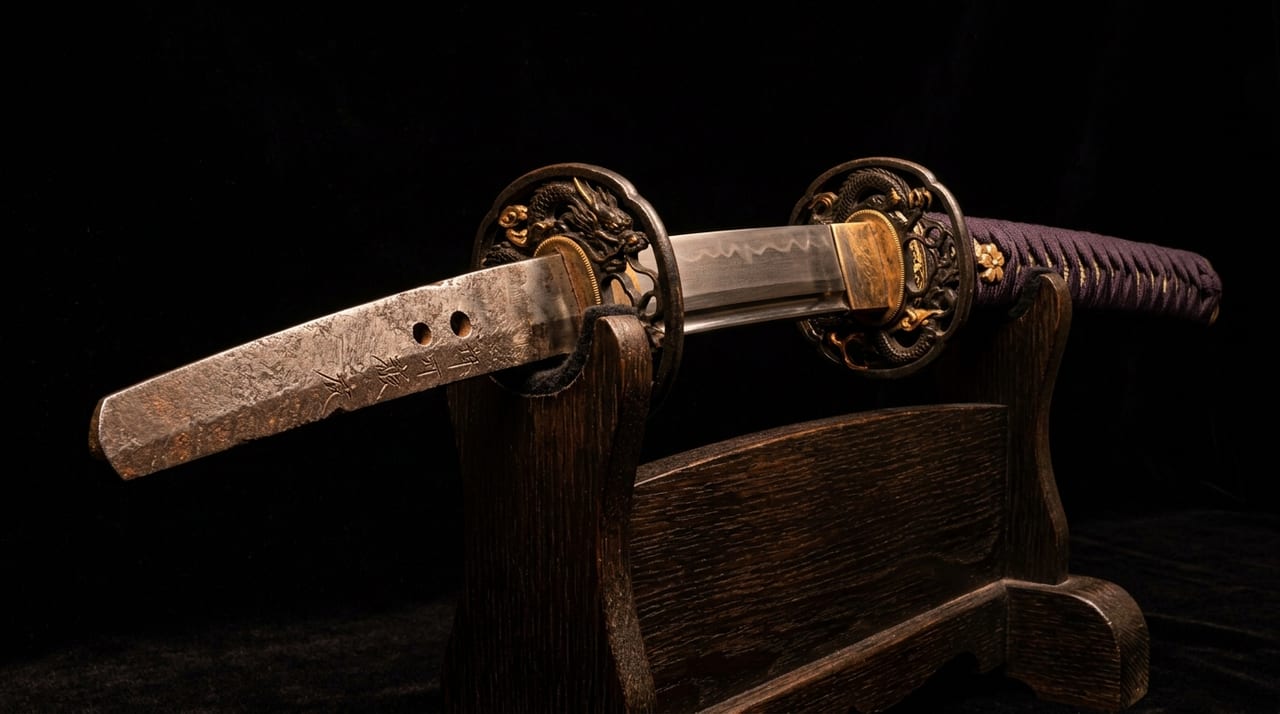
Explaining the crucial nihonto appraisal concept of 'ubu' — unaltered original state — covering the three elements of ubu-nakago, ubu-hachō, ubu-sugata and market premiums.
During blade quenching, coolant selection determines the steel's final hardness, resilience, and curve. Water and saltwater achieve fastest cooling for maximum hardness in short swords, while oil cooling prevents cracking and produces even hardness in long practical blades. Swordsmiths chose coolants based on blade type and length, adapting to local temperature and season. Modern analysis shows that traditional empirical techniques were scientifically sound, validating centuries of refined Japanese swordcraft.
Sori (反り), the curve of Japanese sword blades, forms during quenching and is shaped by season, temperature, and humidity. This article explains how winter's cold produces stronger curves while summer's heat produces weaker ones, showing how regional climates influenced swordmaking. Craftspeople in cold regions like Aizu and Etchu achieved precise sori naturally, while those in warm areas like Kyoto and Osaka developed compensation techniques. The article details how humidity affects blade shape by 1mm and traces Edo-period methods alongside modern scientific approaches to managing sori.
A step-by-step look at how contemporary nihonto smiths evaluate tamahagane steel through test forging, carbon estimation, and quench trials before committing to a full blade.