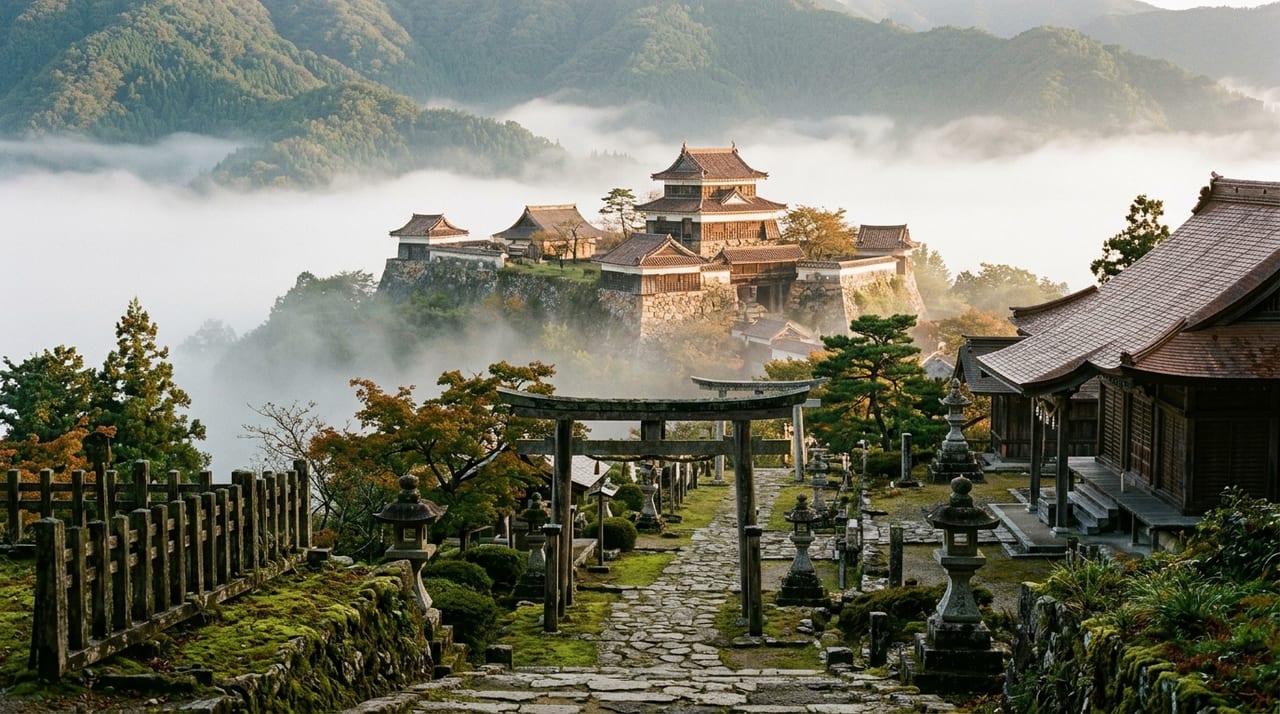
 * Image is for illustrative purposes only.
Swords in Classical Literature — From the Heike Monogatari to the Azuma Kagami
刀剣と文学——平家物語から吾妻鏡まで
An exploration of how Japan's great military chronicles and historical records — the Heike Monogatari, the Genpei Seisui-ki, the Azuma Kagami, and the Taiheiki — depicted the Japanese sword, shaped sword culture, and created the mythological framework within which specific blades became legends.
Description
The cultural authority of the Japanese sword was shaped, to a significant degree, not by actual battles themselves but by the literary texts that depicted them. Military chronicles and historical records—the Heike Monogatari, the Genpei Seisui-ki, the Azuma Kagami, the Taiheiki, and the Gikeiki—established specific blades as meibutsu (famous objects), recorded their origins, spiritual powers, and histories of ownership, thereby creating the evaluative standards by which later sword connoisseurship developed.
The Heike Monogatari stands as one of the most essential texts of Japanese sword literature. Against the backdrop of the Genpei War, the sword functions not merely as a weapon but as the embodiment of the warrior's soul, the honor of a house, and the symbol of fate. In the "Death of Atsumori" episode, Kumagaya Jiro Naonao's capture of the young nobleman Atsumori is depicted alongside the flute Aoba no fue, carried in a brocade bag at his waist—an object that signifies his nobility and refinement. In the "Nasu no Yoichi's Arrow at the Fan Target" episode, though the bow takes the central role, throughout the broader depiction of the battle, the sword recurs as a symbol of the warrior's bodily and spiritual unity. The concept crystallized by the Heike Monogatari—that the sword is an extension of the warrior's soul—proved decisive in shaping all subsequent sword culture.
The Azuma Kagami, the official records of the Kamakura shogunate, is a first-rank historical source that meticulously documents the dedication, bestowal, and changes of ownership of renowned blades. It records instances in which shogunal leaders such as Yoritomo, Yoshitoki, and Yasutoki donated specific swords to shrines; instances in which celebrated blades were conferred as battlefield rewards; and instances in which swords functioned as diplomatic gifts to the imperial court. These records demonstrate concretely that swords occupied a central place in political and religious ritual.
The Taiheiki (a war chronicle of the Nanbokuchō period) is the literary text that most richly depicts the supernatural side of sword veneration. Scenes in which famous blades such as 'Onikiri' and 'Onimaru' slay demons and monsters, scenes in which the spirit within a sword speaks to its owner in a dream, and stories of curses and blessings surrounding famous swords all form part of the Taiheiki. It supplied many of the legendary foundations for the spiritual authority of the Japanese sword. These stories have influenced the designation of famous swords in the later Kyōhō Meibutsuchō (Kyōhō Register of Famous Swords) and even the modern culture of sword appraisal.
In hero-legend literature such as the Gikeiki and the Soga Monogatari, the protagonist's growth, training and transformation into a hero are depicted as inseparable from the acquisition of a particular sword. The Tsurugi no Maki (the 'Sword Chapter') of the Heike Monogatari, for example, describes the relationship between Minamoto no Yoshitsune and the sword 'Usumidori' (Hizamaru), and the descriptions of the blades used in the vendetta of the Soga brothers established the distinctively Japanese motif of the unity of sword and hero. This motif passed through Edo-period kabuki and jōruri and became the source of the modern concept of the 'famous sword and hero' found in games and manga.
Characteristics of This Era
- Literary certification and mythologization of named blades — texts creating the framework for sword evaluation
- Establishment of the sword-as-soul concept — the Heike Monogatari's foundational contribution to sword culture
- Documentary recording of swords in the Azuma Kagami — concrete evidence of the sword's political and religious functions
- Supernatural authority in the Taiheiki — literary construction of the legendary status of demon-slaying swords
- Hero-blade identity motif — a distinctly Japanese cultural inheritance extending into modern popular culture