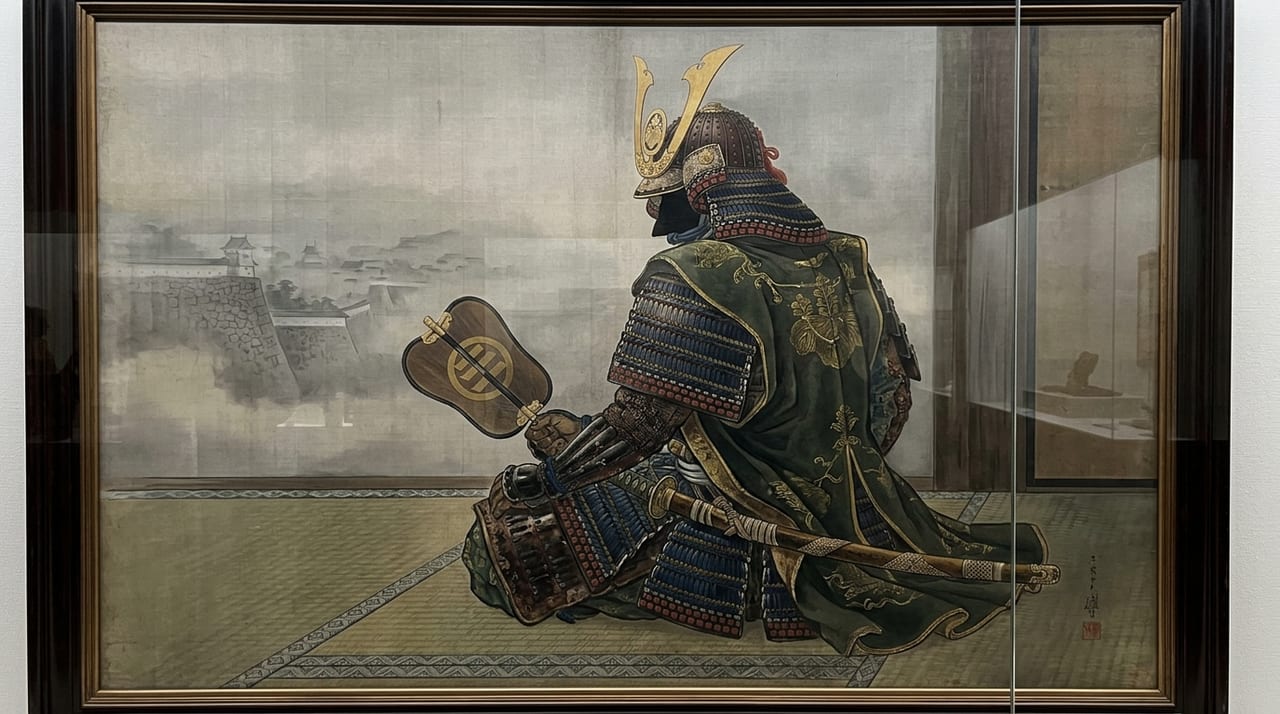
 * Image is for illustrative purposes only.
Uesugi Ujinori (Zenshū)
上杉氏憲(禅秀)
Kantō Kanrei and Head of the Inukake Uesugi — Leader of the Uesugi Zenshū Rebellion Against the Kamakura Kubō
Description
Life
Uesugi Ujinori, known by his Buddhist name Zenshū, was born as the son of Uesugi Tomomune, head of the Inukake branch of the Uesugi clan; his birth year is unknown. In 1402, when Date Masamune (a head of the Date clan from the Nanboku-chō to Muromachi period, distinct from the Sengoku daimyo of the same name) raised arms after refusing a demand from the Kamakura Kubō to cede territory, Ujinori led the forces of the Kamakura Government to suppress the uprising. In 1409 he succeeded to the headship of the Inukake Uesugi house, and in 1411 he was appointed Kantō Kanrei (Deputy of the Kantō region), placing him in a position to support the young Kamakura Kubō, Ashikaga Mochiuji.
Conflict with Mochiuji
Relations between Zenshū and Mochiuji gradually deteriorated. Beyond personal friction between the two men, the rivalry with the Yamanouchi branch of the Uesugi clan, a rival of the Inukake line, and the ambitions of Mochiuji's uncle Ashikaga Mitsutaka are said to have been involved. In 1415 Zenshū was removed from his post as Kantō Kanrei, and he harbored strong resentment toward this.
The Uesugi Zenshū Rebellion
In the tenth month of 1416, Zenshū rallied Ashikaga Mitsutaka and local warrior bands, raised an army, and launched a surprise attack on Mochiuji. Mochiuji fled to Suruga Province, and Zenshū's forces briefly occupied Kamakura. However, the Muromachi shogun Ashikaga Yoshimochi decided to come to Mochiuji's aid and dispatched shogunate forces led by Imagawa Norimasa and Uesugi Fusakata. In the first month of 1417, Zenshū, Mitsutaka, and Mochinaka took their own lives at the Bettō-bō in Yukinoshita, Kamakura, and the rebellion came to an end.
Later Reputation
The Uesugi Zenshū Rebellion is known as a conflict that exposed the structure of opposition between the Kamakura Government and the Uesugi families in the Kantō region. While the rebellion led to the decline of the Inukake Uesugi house, the grudges it left behind carried over into the later Eikyō War and Yūki War, and it is regarded as one of the starting points that led the Kantō region into prolonged warfare.