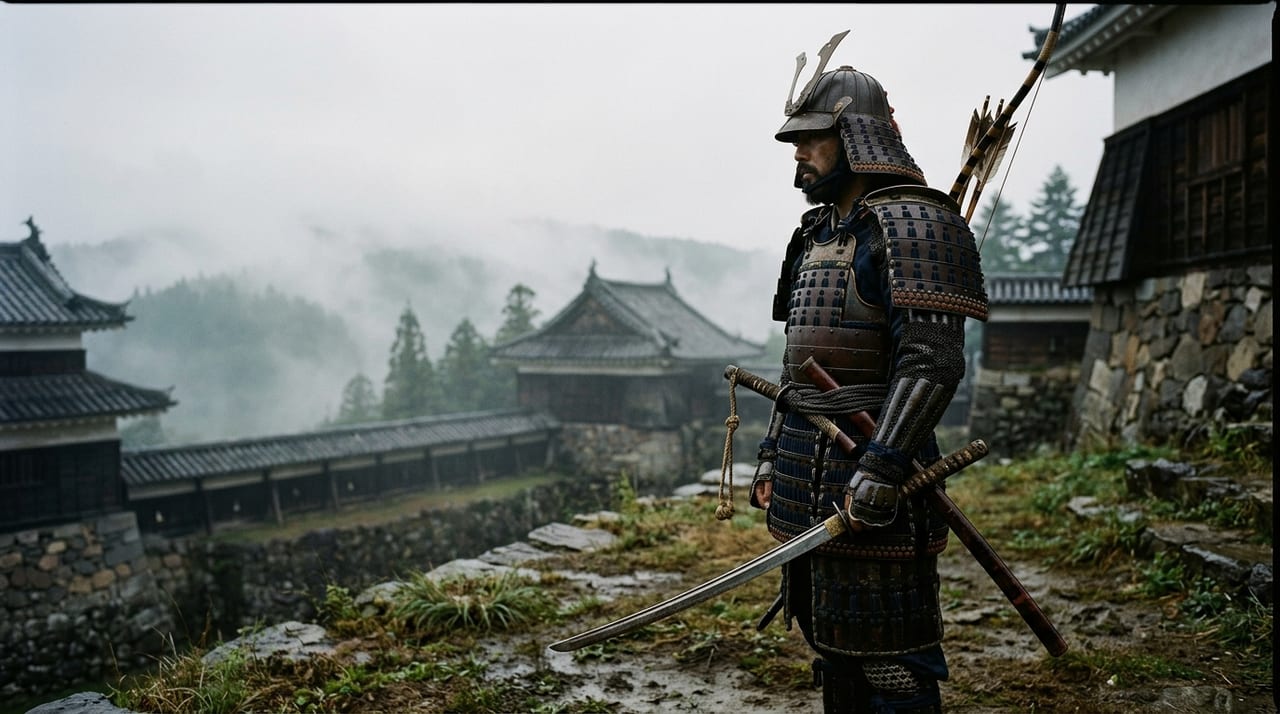
 * Image is for illustrative purposes only.
Fujiwara no Hidehira
藤原秀衡
3rd Head of the Ōshū Fujiwara Clan, Chinjufu Shōgun
Description
Life
Born in 1122 as the son of Fujiwara no Motohira, the second head of the Ōshū Fujiwara clan. When his father died in 1157, Hidehira inherited leadership of the clan, serving as military governor (oryōshi) of both Dewa and Mutsu provinces and ruling from Hiraizumi at the height of Ōshū Fujiwara power.
Protection of Minamoto no Yoshitsune
Around 1175, Hidehira took in and protected Minamoto no Yoshitsune, who had fled Kurama-dera temple. Yoshitsune later left Hiraizumi to join his brother Minamoto no Yoritomo's uprising, but after falling out with Yoritomo and becoming a fugitive in 1185, he once again sought refuge with Hidehira, who accepted him.
Connection to the Mogusa Swordsmiths
Across the Kitakami River from Hiraizumi, in what is now Ichinoseki, a community of swordsmiths known as the Mogusa school had long produced practical, curved battlefield swords known as Mogusa-tō, drawing on locally available high-quality iron. This region is said to have flourished under the patronage of the Ōshū Fujiwara clan in the late Heian period, and the clan's peak under Hidehira's rule overlapped with the Mogusa school's period of prosperity.
Anecdote
According to the chronicle Azuma Kagami, on his deathbed in 1187 Hidehira instructed his sons Yasuhira and Kunihira to unite under Yoshitsune's leadership and resist Yoritomo. This last wish was not honored: two years after Hidehira's death, Yoshitsune was hunted down and killed under pressure from Yoritomo, and the Ōshū Fujiwara clan itself was destroyed in 1189.
Later Reputation
Hidehira is remembered as the ruler who embodied the peak of Ōshū Fujiwara power, a era that produced the Buddhist cultural achievements of Hiraizumi such as the Konjikidō of Chūson-ji. His steadfast protection of Yoshitsune to the end has also earned him lasting recognition as a "northern king" who sought to preserve Ōshū's independence.