最新消息 — 最新入荷資訊請查閱商品目錄。 查看 →
深入了解日本刀知識與文化的見解
Protecting swords as assets requires insurance and formal valuation. Learn about movable property insurance eligibility, authentication bodies, and valuation principles.
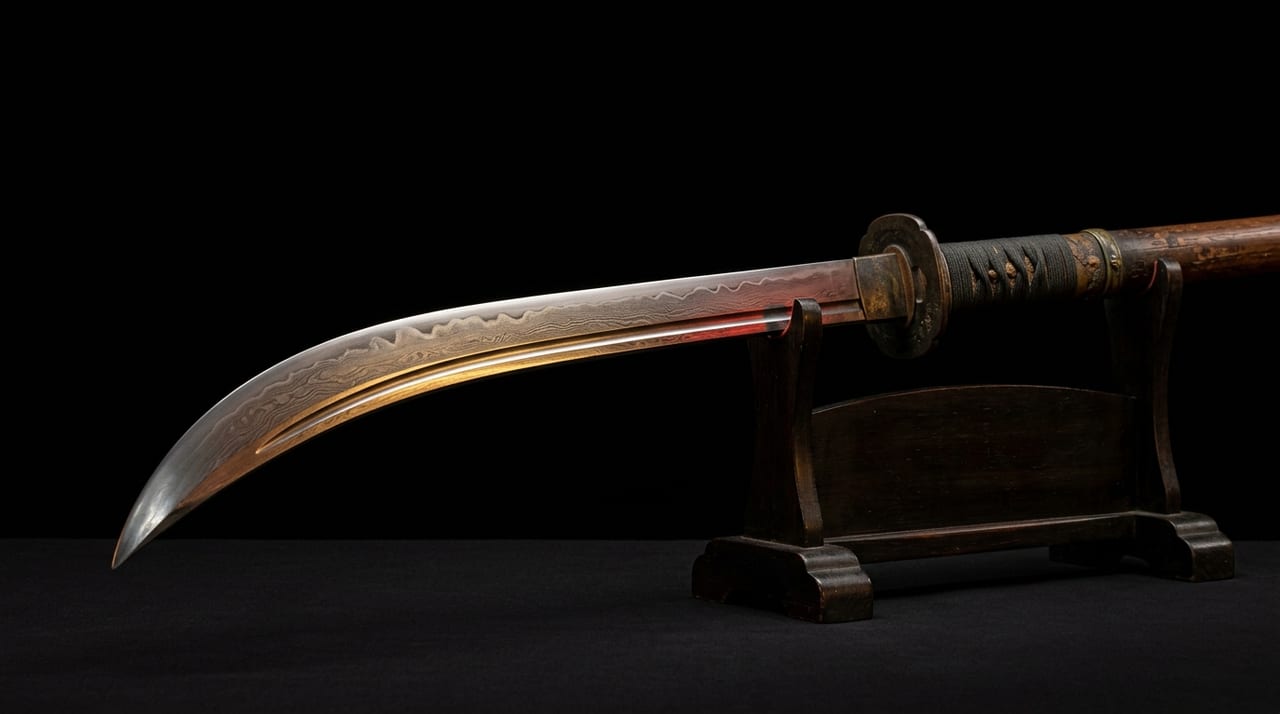
From late Heian through Sengoku, temples maintained armed monk-warrior bands — sohei. Their use of naginata and swords significantly influenced medieval weapon development.
The Haito Edict of 1876 brought a severe crisis to the existence of Japanese swords. The abandonment of sword smiths, the disposal of blades, and the subsequent revival—we trace in detail the turning point in modern Japanese sword history.
Sending a rusty or clouded sword for polishing is not just a technical question but an ethical decision about cultural preservation. Learn the criteria and modern polishers' dilemmas.
The Sengoku period was not only an age of master smiths, but also an era of "kazuuchimono" mass-produced swords that armed countless ashigaru foot soldiers. This article explores the mass production systems of Bizen and Mino provinces, their practicality, and historical significance.
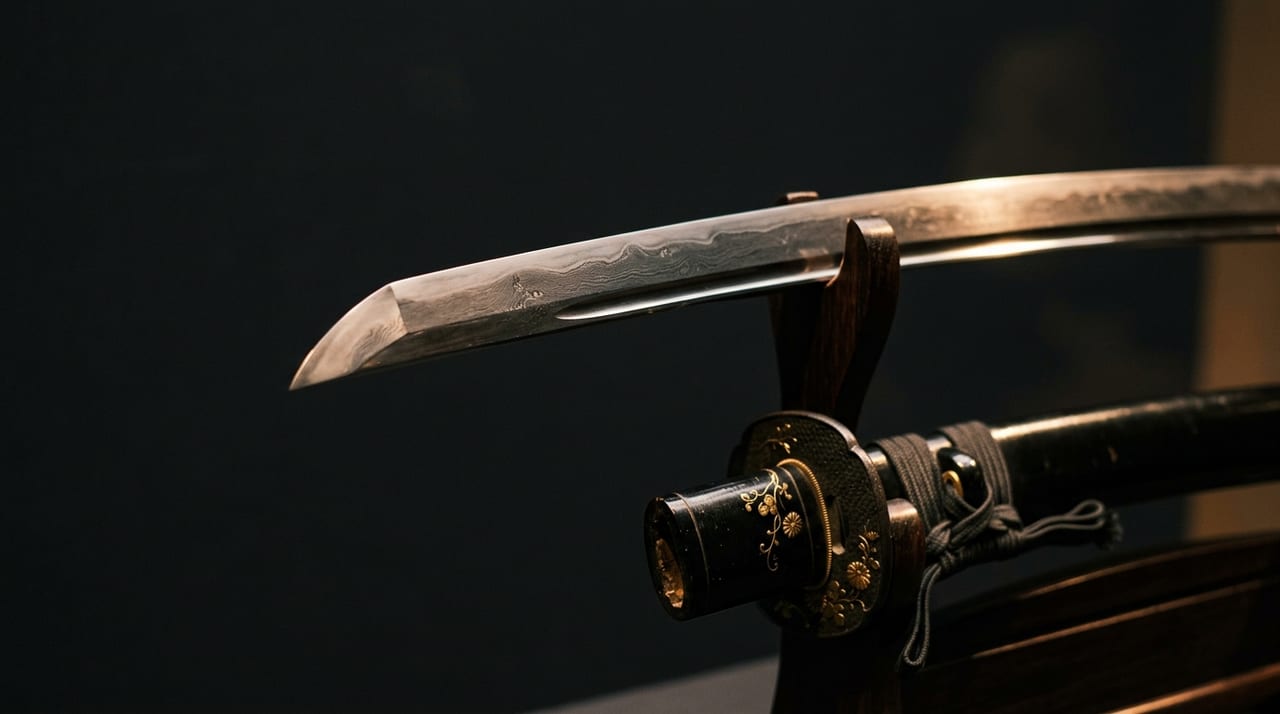
Shinogi is the skeleton of the Japanese sword, with shapes across eras reflecting both combat performance and aesthetic sense. Decode blade personality through shinogi height, width, and groove relationships.
Women of Sengoku were not mere victims of war. Explore their sword culture — protecting themselves with kaiken and defending castles with naginata — through historical examples.
Long before the Japanese sword took its iconic curved form, the archipelago's Jomon and Yayoi inhabitants were already engaging with bronze and iron blades transmitted from the continent—objects that served not only as weapons but as sacred ritual implements. This technological and spiritual legacy laid the foundation for all that followed.
An overview of contemporary art trends featuring swords as motifs, including installations, fashion, and media art. We explore the aesthetic and philosophical inspiration that samurai culture provides to contemporary artists.
Later-added signatures, tang forgeries, faked hamon, and confusion between modern and antique blades — explaining real-world forgery tactics encountered in authentication and the observation points for spotting them.
Common day-to-day issues — saya rattle, loose mekugi, stuck koiguchi, loose tsuka — explained with practical guidance on what you can handle yourself and when to consult a togishi or sayashi.
A practical guide to exporting Japanese swords internationally — covering Japanese Board of Education deregistration, export permits, and import regulations in the US, EU, UK, Australia, and Canada.