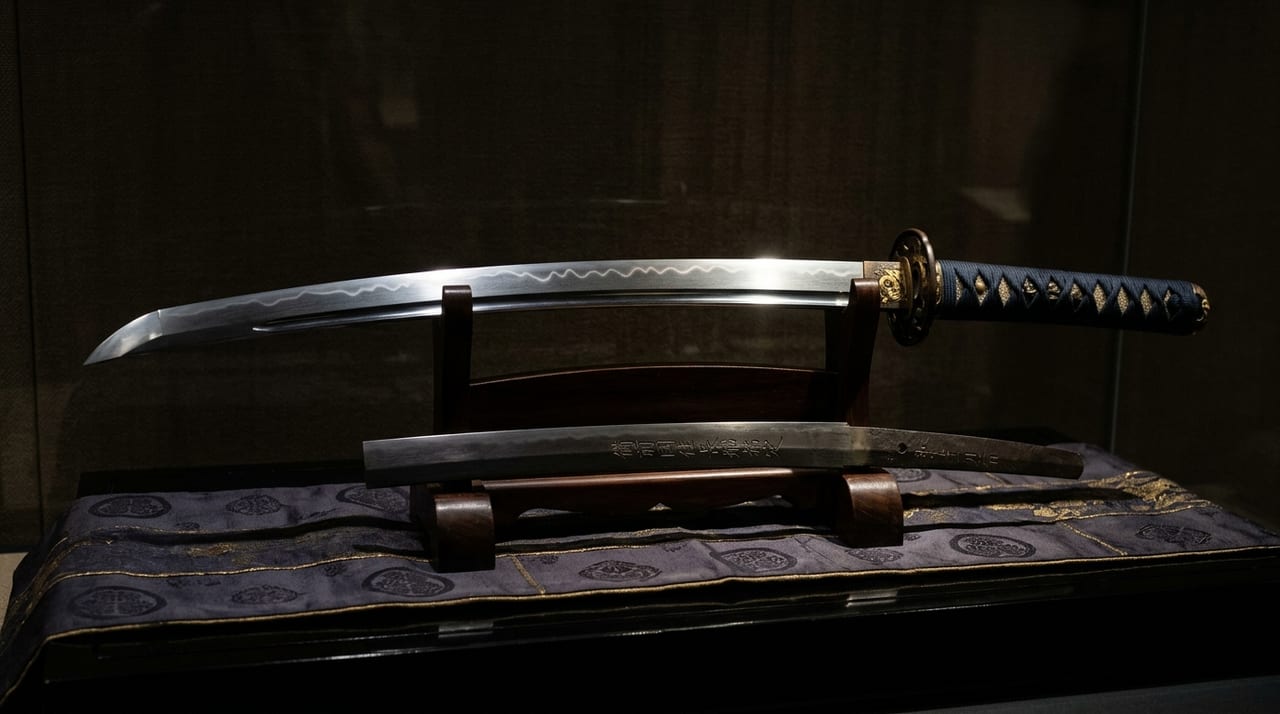
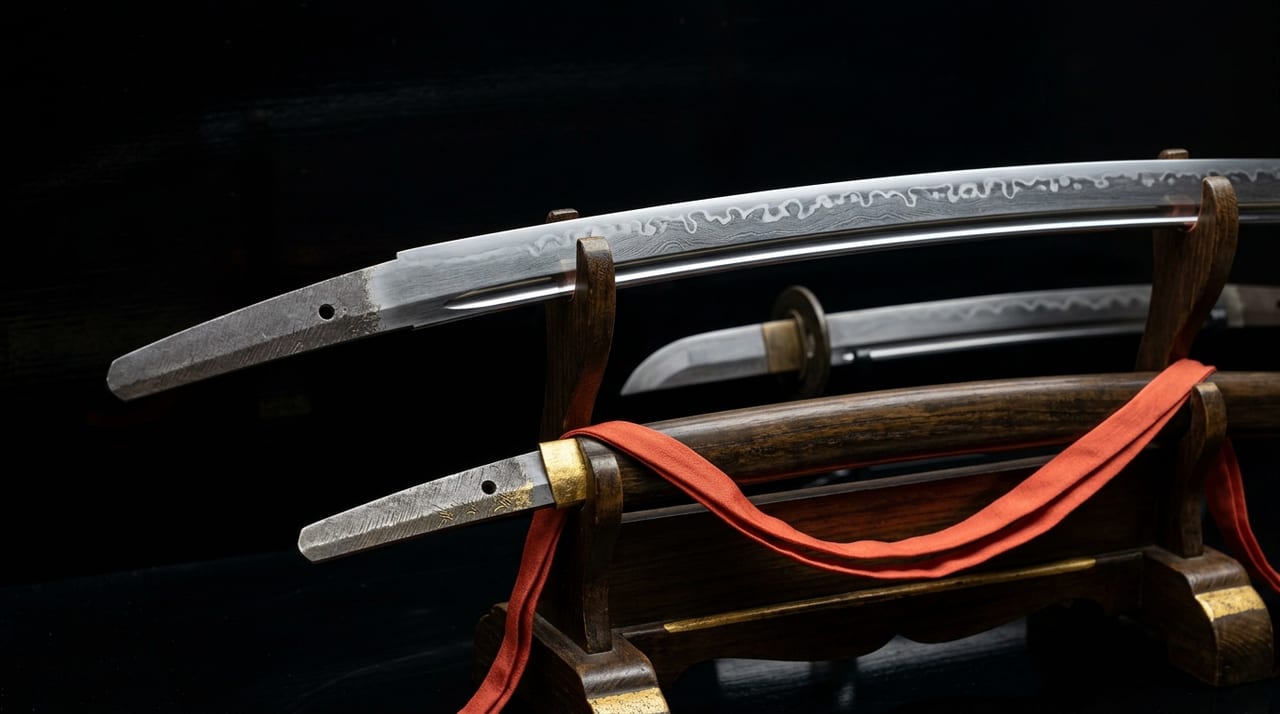
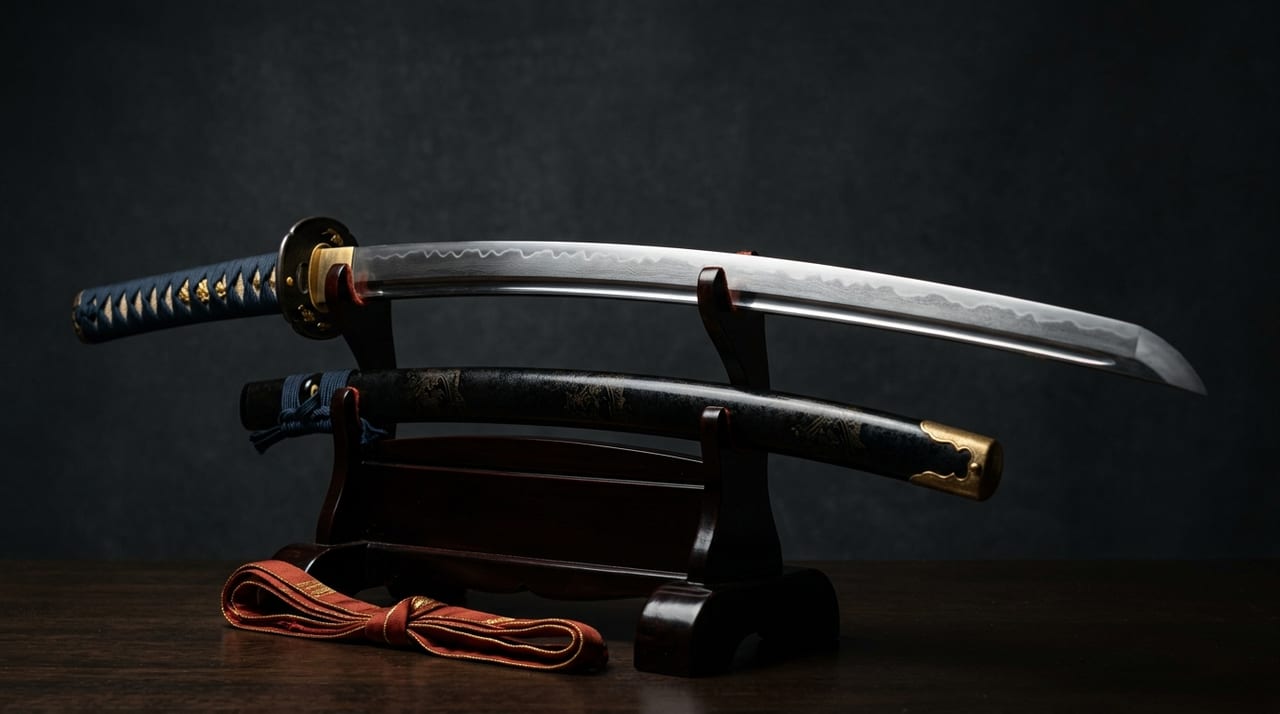
Der Ōnin-Bunmei no Ran und die Schwertindustrie — Historische Umstände der Zerstreuung der Bizen-Schwertschmiedegemeinschaft durch zehn Jahre Krieg und Auswirkungen auf die Schwertproduktion
 * Bild nur zu Illustrationszwecken.
Inhaltsverzeichnis
Was war der Ōnin-Bunmei no Ran?
Der Ōnin-Bunmei no Ran, der im Jahr Ōnin 1 (1467) begann und bis zum Jahr Bunmei 9 (1477) andauerte, war ein groß angelegter innerer Aufstand, ausgelöst durch die Verflechtung von Streitigkeiten um die Nachfolge des Kanrei des Muromachi-Shogunats und die Frage der Shōgun-Nachfolge. Die Ostarmee (Hosokawa-Seite) und die Westarmee (Yamana-Seite) stießen mit Kyōto als Hauptschauplatz aufeinander; im Laufe von etwa zehn Jahren Kampf wurden weite Teile des Stadtgebiets von Kyōto niedergebrannt, und viele Kultureinrichtungen, Werkstätten und Handwerkergemeinschaften erlitten verheerende Schläge.
Dieser Aufstand war nicht nur ein politischer Bürgerkonflikt, sondern hatte tiefgreifende Auswirkungen auf die japanische Gesellschaft, Wirtschaft und Kultur. Für die Schwertindustrie insbesondere wurde er zu einem entscheidenden Wendepunkt der kotō-Zeit, die als die goldene Ära des mittelalterlichen japanischen Schwertes gelten kann.
Die Provinz Bizen — Größtes Schwertproduktionszentrum des Mittelalters
Vor dem Ōnin no Ran war die Provinz Bizen (heute der südöstliche Teil der Präfektur Okayama) als Japans größtes Schwertproduktionszentrum bekannt. Bizen hatte eine eigenständige kaji-Kultur entwickelt, die unter dem Namen „Bizen-Schwert" bekannt war, und rund um den Ort Osafune hatte sich eine bedeutende Gemeinschaft von tōshō gebildet. Mehrere Schulen wie die Osafune-Schule, die Ichimonji-Schule, die Fukuoka Ichimonji Schule und die Yoshii-Schule koexistierten, wetteiferten miteinander in ihrer Technik und produzierten hochwertige Schwerter in großen Mengen.
Die Provinz Bizen verfügte über günstige geografische Voraussetzungen für die Schwertproduktion, da Eisensandvorkommen in der Nähe lagen und die Wasserwege gut ausgebaut waren. Sie war auch ein wichtiger Verkehrsknotenpunkt an der Sanyōdō-Straße und diente als Versorgungszentrum für das Shogunat und Kriegerclans verschiedener Regionen. Die Bizen-Schwerter vor dem Ōnin no Ran genossen hohes Ansehen wegen ihres schönen hamon (mit chōji-midare als Mittelpunkt komplexer Muster) und ihrer hervorragenden jigane; sie wurden auch häufig als Geschenke an das Shogunat und mächtige Daimyō verwendet.
Unmittelbare Auswirkungen des Krieges auf die Schwertproduktion
Der Ōnin no Ran veränderte die Nachfrage nach Schwertern in Kyōto abrupt. Während der Waffenverbrauch durch die lang andauernden Kämpfe stark anstieg, stockte die Verteilung in verschiedenen Regionen infolge der Kriegswirren, was die Materialbeschaffung und den Produktabsatz erschwerte. Werkstätten in der Umgebung von Kyōto erlitten direkten Schaden durch Kriegsbrände, und viele Handwerker sahen sich zur Evakuierung gezwungen.
Auch die tōkō von Bizen, obwohl sie Abstand zum unmittelbaren Schlachtfeld Kyōto hielten, konnten sich dem nicht entziehen. Die einflussreichen Tempel, Schreine, Hofadligen und Shogunat-Vertreter in Kyōto, die als Förderer (Patron) gedient hatten, gerieten in einen Zustand des Chaos, und die Bestellungen gingen drastisch zurück. Darüber hinaus verschlechterte sich die öffentliche Sicherheit im ganzen Land infolge des Autoritätsverlusts des Shogunats, und die Bestrebungen lokaler Machthaber (Kokujin-Herren, Shugo-Daimyō), die Schwertproduktion selbst in die Hand zu nehmen, wurden stärker.
Weiträumige Zerstreuung der Schwertschmiedegemeinschaft
Auch nach dem Ende des Ōnin-Bunmei no Ran setzte sich die politische Unruhe in Japan fort. Inmitten häufiger Kokujin-ikki in verschiedenen Regionen und einer erstarkenden Gesinnung des Gekkokujō begannen die tōkō von Bizen, auf der Suche nach neuen Förderern in verschiedene Regionen zu ziehen. Diese Bewegung war keine Umsiedlung einzelner Personen, sondern soll eine organisierte Migration ganzer Lehrer-Schüler-Gruppen und Schulgemeinschaften gewesen sein.
- Seki (heute Seki-shi, Präfektur Gifu) in der Provinz Mino (heute der südliche Teil der Präfektur Gifu) verzeichnete in dieser Zeit ein weiteres rasantes Wachstum als Schwertproduktionszentrum und legte die Grundlage als Klingen- und Messerstadt, die bis in die Gegenwart andauert. Zu beachten ist, dass die Mino-Tradition selbst bereits vor dem Ōnin no Ran etabliert war und von Shizu Saburō Kaneuji (aus Yamato, Kenmu-Ära) sowie Kaneshige, der aus Echizen zugezogen war, als Fusion von Sōshū-den und Yamato-den begründet wurde. Die Umsiedlung der Bizen-tōkō trug zur Ausweitung der Schwertproduktion in Mino bei, doch war es nicht die Bizen-Schwertschmiedegemeinschaft, die die Mino-Tradition begründete. Die Mino-Schwerter zeichnen sich durch einen spitzen kissaki und einen scharfen hamon aus und erlangten im Sengoku-Zeitalter als praktische Kampfschwerter hohe Nachfrage.
- Auch eine Bewegung in Richtung Sagami (heute Präfektur Kanagawa) ist belegt, und es gibt Schulen, die den Weg für die spätere shintō-Zeit bereiteten.
- Es gab auch tōkō-Gruppen, die der Einladung mächtiger Daimyō in verschiedenen Teilen Kyūshūs (Shimazu, Ōtomo usw.) folgend nach Süden zogen, was den Anstoß zur Entstehung eigenständiger kaji-Traditionen in verschiedenen Teilen Kyūshūs gab.
Wandel der in Bizen verbliebenen Schwertschmiede
Auch die tōkō-Gruppen, die in Bizen blieben, konnten dem Einfluss des Krieges nicht entkommen. Um in dem zusammengebrochenen Fördersystem zu überleben, sahen sie sich gezwungen, von der hochqualitativen Kleinserienfertigung zur Massenproduktion praktischer Waffen überzugehen. Der hamon mit dem fein gearbeiteten chōji-midare, den die Bizen-Schwerter vor Ōnin besaßen, veränderte sich hin zu dem vereinfachten suguha und kleinen midare.
Dieser Wandel wird manchmal negativ als „Niedergang von Bizen" beschrieben, lässt sich aber auch als eine dem Zeitgeist entsprechende Rationalisierung verstehen. In einem Markt, in dem während des gesamten Sengoku-Zeitalters Schwerter in großen Mengen benötigt wurden, blieb Bizen weiterhin ein bedeutendes Produktionszentrum. Trotz der Massenproduktion bewahrte es ein gewisses Qualitätsniveau und versorgte Kriegerclans in allen Teilen des Landes weiterhin mit Schwertern.
Diversifizierung der Schwertkultur durch den Krieg
Mit dem Ōnin-Bunmei no Ran als Wendepunkt wandelte sich die japanische Schwertkultur von der Konzentration auf einen bestimmten Produktionsort hin zur Verteilung und Diversifizierung auf verschiedene Regionen. Dies war kein einfacher Niedergang, sondern wurde auch zum Anstoß für jede Region, ihre eigene Schwertkultur zu entwickeln. Die Neuordnung der verschiedenen Traditionen wie Mino, Sōshū, Yamato und Yamashiro sowie die Herausbildung einer Schwertkultur mit je eigenen regionalen Merkmalen lassen sich als Produkt dieser historisch turbulenten Zeit bezeichnen.
Die Klassifikation, die spätere Schwertforscher als „Gokaden" — Bizen, Yamashiro, Yamato, Sōshū, Mino — bezeichnen, festigte sich durch die politischen und sozialen Unruhen dieser Ära. Das Chaos, das der Krieg der Schwertindustrie brachte, wurde langfristig zur Quelle der geografischen Diversifizierung und technischen Innovation der japanischen Schwertkultur.