Einführung in das Tōken-Sammeln — Sammeltechniken, die man in 10 Jahren nicht bereut
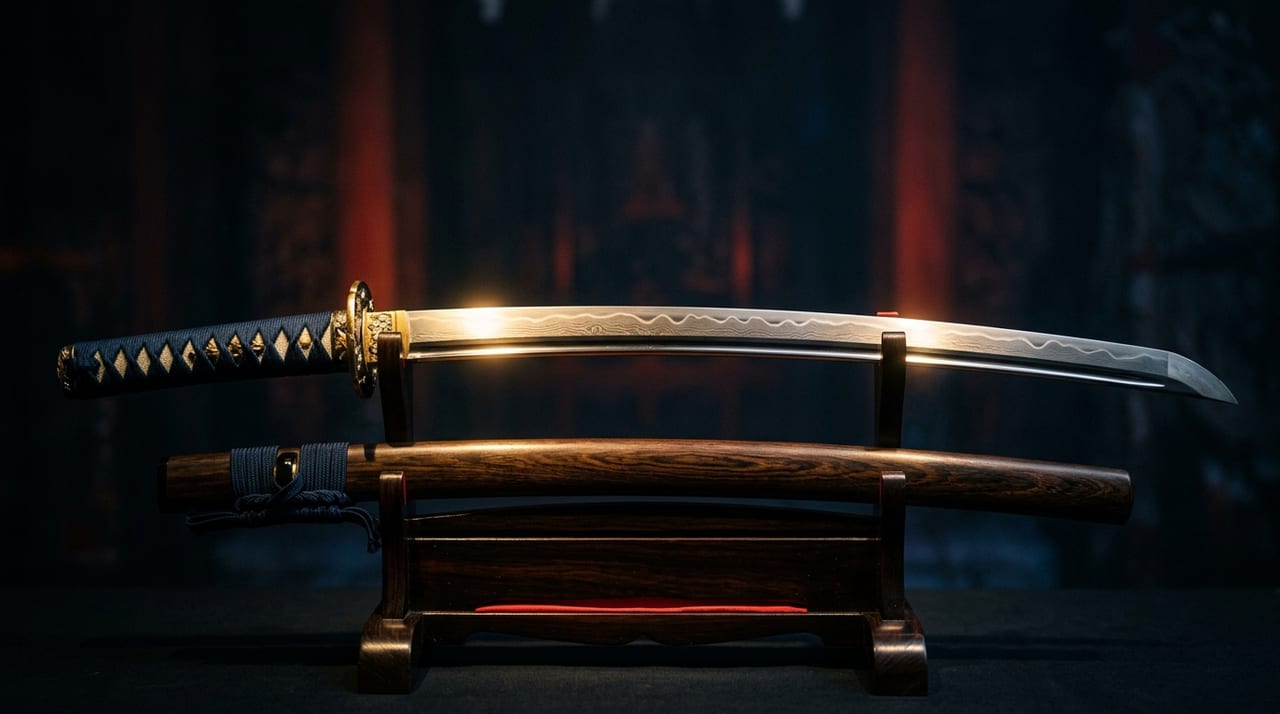 * Bild nur zu Illustrationszwecken.
Inhaltsverzeichnis
Eine Nihontō-Kollektion kann, wenn man sie planvoll und strategisch aufbaut, zu einer Sammlung heranwachsen, die über viele Jahre hinweg an gereiftem Wert gewinnt. Um eine Kollektion aufzubauen, mit der man in 10 oder 20 Jahren von Herzen zufrieden sein kann, sind von der ersten erworbenen Klinge an eine sorgfältige Strategie und kontinuierliches Lernen unerlässlich. Dieser Artikel vermittelt praktische Leitlinien, die für alle Sammler – von Anfängern bis zu Fortgeschrittenen – nützlich sind.
Themenfestlegung — Aufbau einer konsistenten Kollektion
Beim Tōken-Sammeln stellt sich als Erstes die Frage nach dem Thema: „Was möchte ich sammeln?" Als Beispiele für Themen können folgende genannt werden.
- „Ausschließlich tachi der Bizen-den sammeln"
- „Sich auf tantō spezialisieren"
- „tōkō der Bakumatsu-Zeit bis zur frühen Meiji-Zeit verfolgen"
- „tōsōgu der Higo-Metallkunst sammeln"
Indem man ein Thema festlegt, das dem eigenen Interesse und Wissensstand entspricht, erhält die Sammlung eine klare Ausrichtung.
Der Vorteil eines Themas beschränkt sich nicht allein auf die Konsistenz. Einzelne Kaufentscheidungen werden leichter, und man kann bei Stücken, denen man auf dem Markt begegnet, schnell und treffend urteilen. Außerdem eignet man sich durch die Vertiefung in ein bestimmtes Fachgebiet auf natürliche Weise ein Gespür für tōkō-Genealogien sowie die Merkmale von jigane und hamon an, wodurch das ästhetische Urteilsvermögen zur Erkennung von Fälschungen und überbewerteten Stücken geschärft wird. Eine Kollektion mit klar definiertem Thema birgt zudem die Möglichkeit, langfristig einen hohen wissenschaftlichen Wert zu erlangen.
Detaillierte Aufzeichnungen und Dokumentation — Grundlage der Wertverwaltung
Für alle erworbenen Klingen detaillierte Aufzeichnungen zu führen ist eine grundlegende Pflicht als Sammler. Als aufzuzeichnende Punkte sind folgende zu nennen.
- Kaufdatum
- Kaufpreis
- Aussteller und Nummer des kanteisho
- Zustand der Klinge (Lage und Ausmaß von Beschädigungen und Rost)
- Pflegehistorie (Datum und Kosten der Beauftragung eines togishi)
Auch fotografische Dokumentation ist unerlässlich. Idealerweise sollte man mei, hamon und bōshi in hoher Auflösung fotografieren und neben einer Gesamtaufnahme auch mehrere Teilaufnahmen von nakago und jigane speichern. Diese Aufzeichnungen sind von entscheidender Bedeutung für spätere Wertüberprüfungen und Versicherungsansprüche. Wenn man digitalisierte Dateien an mehreren Orten sichert, bleiben die Aufzeichnungen der Kollektion auch im Falle von Brand oder Diebstahl erhalten. Detaillierte Aufzeichnungen zu besitzen ermöglicht es außerdem, die eigene Sammelgeschichte objektiv zu reflektieren, und trägt zur Verbesserung der Genauigkeit langfristiger Investitionsentscheidungen bei.
Aufbau eines verlässlichen Berater-Netzwerks
In der Welt der Tōken sind Vertrauen und ein persönliches Netzwerk entscheidend für Erfolg oder Misserfolg beim Sammeln. Der Aufbau dauerhafter Beziehungen zu vertrauenswürdigen Tōken-Händlern und mehreren Gutachtern bildet das Fundament für langfristigen Sammelerfolg. Gute Kontakte zu seriösen Händlern und Gutachtern erleichtern den Zugang zu Informationen über hochwertige Stücke, bevor sie auf dem Markt erscheinen.
Zudem ermöglicht ein Berater, mit dem man seine Strategie besprechen kann, Impulskäufe zu vermeiden und Entscheidungen aus langfristiger Perspektive zu treffen. Auch regelmäßige Besuche von Ausstellungen und Verkaufsmessen sind wichtig. Durch das direkte Erleben und den vergleichenden Umgang mit vielfältigen Tōken verfeinert sich das ästhetische Urteilsvermögen stetig. Der Aufbau von Vertrauen erfordert Zeit, doch diese Bemühungen tragen gewiss reiche Früchte.
Qualitative Überlegenheit — Optimierung der Investitionseffizienz
„Qualität vor Quantität" — in der Tōken-Sammlung ist dieser Grundsatz besonders wichtig. Es ist langfristig wertsteigernder für die gesamte Kollektion, eine einzige Klinge mit einer Zertifizierung der NBTHK (Society for the Preservation of Japanese Art Swords) im Rang Jūyō Tōken oder höher sorgfältig auszuwählen, als zehn günstige Klingen ohne kanteisho zu erwerben.
Auch ein Beharren auf hohen Zertifizierungsrängen ist wichtig. Je höher der Rang in der folgenden Reihenfolge, desto stabiler ist die Marktbewertung und desto geringer das Risiko einer Wertminderung.
- Hozon Tōken
- Tokubetsu Hozon Tōken
- Jūyō Tōken
- Tokubetsu Jūyō Tōken
Indem man auch bei etwas höheren Anfangsinvestitionen Klingen mit hohem Zertifizierungsrang wählt, wird man in späteren Jahren mit Gewissheit das Gefühl haben: „Das war damals ein guter Kauf." Darüber hinaus ziehen Tōken von hoher Vollendung leichter die Aufmerksamkeit von Forschern auf sich; da sie häufiger in Katalogen und wissenschaftlichen Abhandlungen erscheinen, steigt nicht nur ihr Vermögenswert, sondern auch ihr kultureller Wert.
Einrichtung der Lagerumgebung — Voraussetzung für den Vermögensschutz
Eine geeignete Lagerumgebung vor dem Kauf zu schaffen ist die Verantwortung eines Sammlers. Nihontō reagieren empfindlich auf plötzliche Veränderungen von Luftfeuchtigkeit und Temperatur; in ungeeigneter Umgebung bildet sich innerhalb weniger Jahre Rost, der irreparablen Schaden verursacht. Die idealen Lagerbedingungen sind eine ganzjährige Luftfeuchtigkeit von 45–55 % und eine Umgebung mit langsamen Temperaturschwankungen. Für die Aufbewahrung zu Hause wird die Verwendung von Schwerterboxen oder Spezialvitrinen mit Feuchtigkeits- und Temperaturregelung empfohlen.
Auch Vorkehrungen gegen Diebstahl und Brand sind unerlässlich. Zusätzlich zur Einrichtung eines Sicherheitssystems kann die Nutzung professioneller Lagerservices (wie Schließfächer bei Finanzinstituten) eine Option sein, wenn eine geeignete Lagerumgebung schwer zu gewährleisten ist. Es ist wichtig, sich nicht nur durch eine Brandversicherung, sondern auch durch eine auf Tōken spezialisierte Sachversicherung gegen eventuelle Schäden abzusichern. Die Einrichtung einer geeigneten Lagerumgebung erfordert anfängliche Kosten, doch betrachten Sie diese als unverzichtbare Investition zum Schutz Ihrer Kollektion.
Kontinuierliches Lernen und Wissenserweiterung
Das kontinuierliche Vertiefen des Verständnisses von tōkō, Schulen und historischem Kontext im Laufe des Sammelns führt direkt zu einer Verbesserung des Sammlerblicks. Es ist wichtig, Wissen durch sorgfältiges Lesen von Fachbüchern und Katalogen, die Betrachtung von Originalen bei Ausstellungen und den Austausch mit Forschern systematisch aufzubauen. Das auf diese Weise angesammelte Wissen mündet in die Fähigkeit, beim Aufeinandertreffen mit herausragenden Stücken auf dem Markt sofort die richtige Entscheidung zu treffen.