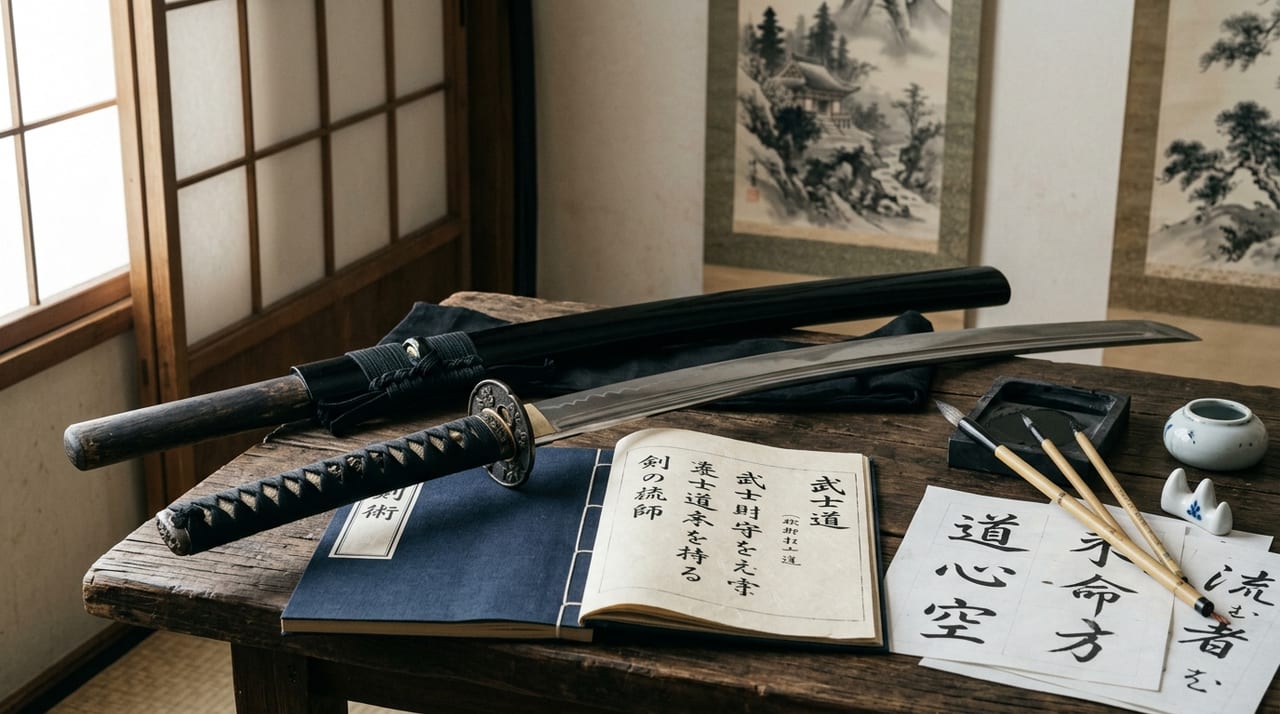
 ※圖片為示意圖。
宮本武藏(稻垣浩監督三部作)
宮本武蔵(稲垣浩監督三部作)
以吉川英治的大河小說為原作,由稲垣浩導演、三船敏郎主演,於1954年至1956年期間製作的電影三部曲。本作描繪了劍豪・宮本武蔵的生涯,並於1955年榮獲奧斯卡獎外語電影獎,是向世界介紹日本電影與宮本武蔵名聲的里程碑。
解說
吉川英治と宮本武蔵という神話
宮本武蔵(1584頃~1645)是活躍於關原戰役前後的實在劍豪,以二刀流(二天一流)開祖聞名。他所著的《五輪書》作為劍術哲學的經典著作至今仍被反覆閱讀,也作為商業書籍、經營指南書受到世界廣泛喜愛。吉川英治從1935年在《朝日新聞》連載的小說《宮本武蔵》,在歷史事實中加入豐富的虛構,將武蔵重新描繪為「通過劍道磨練人格的求道者」。這個吉川版的武蔵形象塑造了現代日本「宮本武蔵」的標準形象,在電影、漫畫、遊戲、舞台等無數媒體中被反覆呈現。據傳武蔵終身進行了60場以上的真劍對戰,從未敗北,但其真實樣貌謎團眾多,研究者間至今仍在探討。《五輪書》中「地、水、火、風、空」的五卷結構,是以宇宙論視點體系化劍術的嘗試,超越單純技術書,作為哲學書繼續吸引著現代人。
稲垣浩監督と三船敏郎の宮本武蔵
1954年公開、稲垣浩導演、三船敏郎主演的《宮本武蔵》被譽為吉川英治原著的電影化傑作。三船飾演的武蔵,從粗樸卻充滿壓倒性生命力的年輕人,蛻變為通過劍磨練精神的求道者的過程令人讚嘆,三船本人罕見的身體能力和表現力支撐了其說服力。本作於第28屆學院獎(1956年)獲得名譽獎(外語片獎),成為進一步提高日本電影國際評價的壯舉。該獲獎提高了日本電影整體的國際評價,同時也發揮了向世界介紹宮本武蔵與日本劍文化的作用。三部曲由《宮本武蔵》(1954年)《續宮本武蔵 一乘寺的決鬥》(1955年)《宮本武蔵 完結篇 決鬥巌流島》(1956年)組成,各自作為獨立電影作品完成度皆高。三船的武蔵被後世電影人、演員視為「必須超越的高牆」,成為宮本武蔵電影化的基準點。
二刀流・二天一流の実際
宮本武蔵開創的「二天一流」是一手持長刀、一手持短刀(或太刀和打刀)的二刀流劍術流派。在電影中武蔵的二刀使用為特徵場景增色,其視覺衝擊力在觀眾記憶中留下深刻烙印。實際的二天一流傳承至今,以熊本為中心進行修習。武蔵的兵法在《獨行道》《五輪書》中體系化,不僅限於劍術技術論,作為人生哲學、戰略論至今仍獲高度評價。凝聚為最大限度活用日本刀作為武器之智慧的二天一流思想,為理解劍術史、刀劍文化史提供了不可或缺的視角。
巌流島の決闘と関連する刀剣
電影的精妙之處之一是武蔵與佐々木小次郎的巌流島決鬥場景。據傳小次郎使用的「晾衣竿」是超過三尺的長刀身大太刀。武蔵為戰勝此長刀劍士,特意削出木刀出現於決鬥的逸話,象徵性地示現了宮本武蔵劍的本質——不執著於技與工具,以精神取勝。巌流島之地(現在的山口縣下關市)豎立紀念碑,至今有眾多人造訪此與劍豪有淵源之地。
吉川英治文学・稲垣映画が与えた世界への影響
稲垣宮本武蔵的學院獎獲獎是日本電影史、文化史上劃時代的事件。與黑澤明的《七人的武士》同年於1954年公開的此作品,向世界鮮烈地刻下「日本劍士」的形象。其後好萊塢電影、歐美文化中「武士」「劍士」的許多刻板印象,源自此時代日本電影向世界呈現的形象。《星際大戰》中的絕地武士、《駭客任務》中的功夫劍士,以及21世紀眾多劍士角色中流動的DNA,都濃厚地存有稲垣電影和三船武蔵的影響。
五輪書と日本刀哲学——刀剣座との接点
宮本武蔵的《五輪書》也是通過極盡劍道者的眼睛看世界認識的書。武蔵為最高限度地運用刀作為最高工具,強調工具的質量不如使用者精神和技術的提升。刀劍座處理在江戶初期武蔵生活的時代製作的慶長、元和、寬永期的古刀、新刀,以及據傳武蔵實際使用過的同系統刀劍,提供傳達「劍之道」本質到現代的收藏。對於通過宮本武蔵此存在而對日本刀世界產生興趣的人,懇切希望能親眼看到該時代的刀劍。武蔵生活、戰鬥、思索的江戶初期刀劍群,至今許多仍現存,以真正歷史的重量向我們訴說。
登場的真實刀劍
Washidoshi: The Legendary Odachi of Sasaki Kojirou
The 'Washidoshi' (clothesline) said to have been wielded by Sasaki Kojirou, Miyamoto Musashi's rival, is transmitted as a great sword (odachi) with an exceptionally long blade exceeding three shaku (approximately 90+ cm). This unusual length far exceeded the typical katana and enabled Kojirou's distinctive technique, the 'Tsubame Gaeshi' (Swallow Cut), which sought to control opponents through superior reach. While no extant example of the original 'Washidoshi' has been confirmed, a monument to Sasaki Kojirou stands near Kintai Bridge in Iwakuni City, preserving the legend as a regional swordmaster tale. Odachi with exceptionally long blades were produced abundantly during the Muromachi through Sengoku periods and remain a popular collecting category.
Keicho-period Shinto: Celebrated Blades of Early Edo
The Keicho to Genwa eras (1596–1624), during which Miyamoto Musashi flourished, marked the opening of the Shinto (new sword) period. This period coincides with the emergence of legendary smiths such as Horikawa Kunihiro, acknowledged as the founder of Shinto craftsmanship, and master craftsmen active in Kyoto and Echizen, with most swords Musashi encountered being Shinto of this age. Keicho-period Shinto developed distinctive hamon styles—such as vibrant gunome midare and all-hardening—differing from the classical koto, and gained high esteem as practical blades for sword technique. Though Musashi himself reportedly preferred wooden or bamboo swords, in earnest combat swordsmen selected highly reliable blades such as Keicho-period Shinto.
Echizen Yasushige: Master Smith of the Keicho-Genwa Period
Echizen Yasushige was a smith of Echizen active during the Keicho through Kanei eras (1596–1643), an accomplished craftsman authorized to use the Tokugawa mon (family crest) as official smith to Tokugawa Ieyasu. A contemporary of Miyamoto Musashi, his blades circulated widely throughout early Edo samurai society. Yasushige's swords, which inherited the traditions of the Soshu lineage while establishing a distinctive Echizen style, combined practicality with refinement, representing first-rank examples of swords worthy of actual use by swordsmen.
Horikawa Kunihiro: Pioneer of the Shinto Age
Horikawa Kunihiro, active during the Tensho through Keicho eras (1573–1615), is honored as 'founder of the Shinto.' Favored by samurai of both the Toyotomi and Tokugawa regimes, Kunihiro's blades inherited the techniques of classical smithing while embodying the aesthetics of a new age. Around the time of the Battle of Sekigahara, when Musashi intensified his sword training, works by Kunihiro-school smiths were widely used by swordsmen of the Kamigata region and Kinai, with Miyamoto Musashi himself among those who experienced the spirit of swords from that era. Surviving examples of Kunihiro's work command premium prices in the blade market and are uniformly recognized masterpieces.
Higo Dota Tetsuguuni: The Pragmatist's Blade
The Dota Tetsuguuni school of Higo Province (Kumamoto) is known as the byword for 'blades that cut'—practical swords favored by Sengoku warlords exemplified by Kato Kiyomasa. In Higo (Kumamoto), where Musashi spent his final years, Dota Tetsuguuni represents blades rooted in local sword culture, maintaining deep ties with Kumamoto as the seat of the Nitou Ichiryu dojo. In tameshigiri records, Dota Tetsuguuni achieved high marks, remaining popular with modern collectors as symbols of 'blades that truly cut.'
瀏覽真正的日本刀
瀏覽真正的日本刀本頁旨在介紹日本刀文化,與各作品的著作權持有者無關。