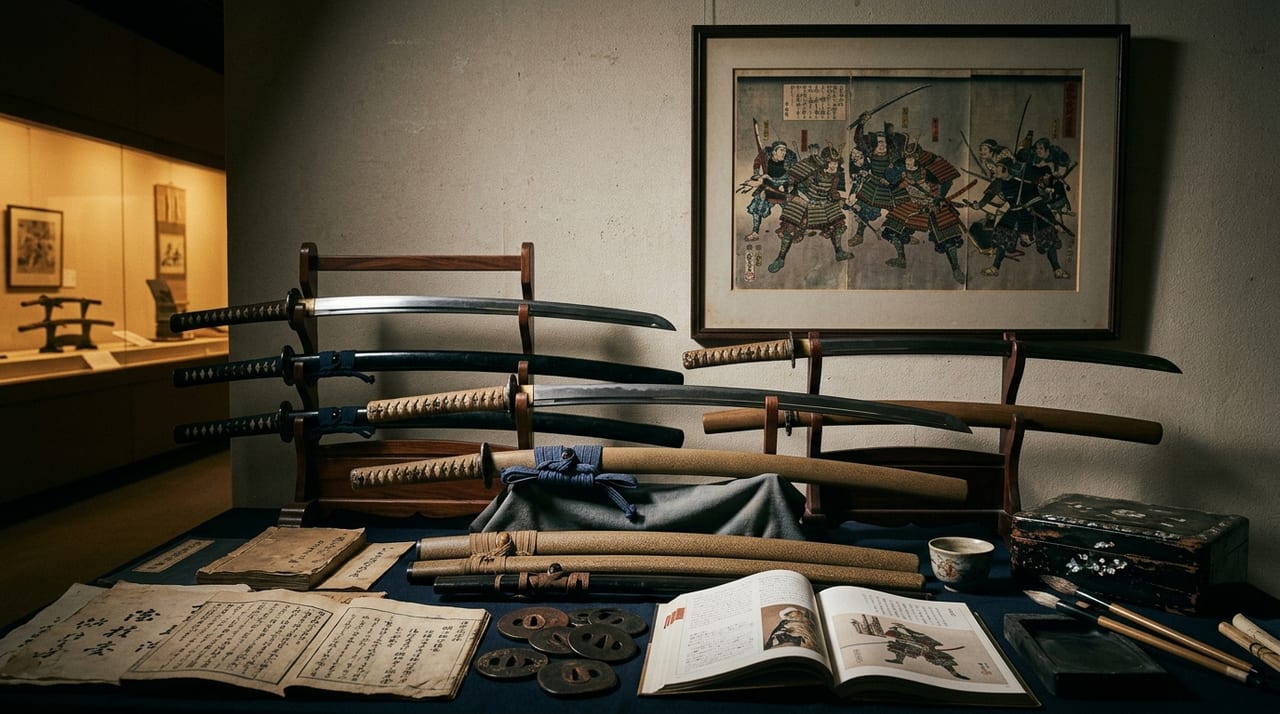
 ※圖片為示意圖。
壬生義士傳
壬生義士伝
改編自淺田次郎同名小說(2000年),由瀧田洋二郎執導、中井貴一主演,於2003年上映的感動時代劇。描述脫藩南部藩後加入新選組的吉村貫一郎,在極端貧困與武士尊嚴之間被撕裂的人生。這是一部傑作,以劍戟與人情交織,描繪選擇日本刀作為「謀生手段」的武士的哀傷人生。
解說
淺田次郎與壬生義士傳的誕生
壬生義士傳是因《鐵道員(ぽっぽや)》獲得直木獎的淺田次郎在2000年發表的時代小說。雖然以新選組為舞台,但卻沒有以土方歲三、近藤勇等英雄為主角,而是將從南部藩(岩手縣)脫藩進入新選組的吉村貫一郎這樣的「普通武士」設為主人公,這一點是革命性的。吉村為了養家糊口而賣劍——以劍戟的本領作為「商業」來生存的樣子,與劍客商賣的小兵衛不同,更深刻、更悲劇性地描繪了「以劍維生」武士的現實。淺田次郎仔細調查了南部藩的歷史與幕末動亂,以豐富的刻畫彌補歷史資料的缺乏,完整地描繪了實際存在的新選組隊士吉村貫一郎。
電影版與中井貴一的表演
2003年的電影版由因《送行者》獲得奧斯卡獎而知名的導演滝田洋二郎執導,由中井貴一飾演吉村貫一郎。在回憶與現在交錯的複雜構成中,中井貴一細緻地表現了貧困卻高傲的武士內心的矛盾,並獲得了日本學院獎最優秀主演男優獎。劍戟場景簡潔而銳利,毫不隱瞞地呈現了「劍是殺人工具」這一現實,同時深深打動觀眾——吉村之所以無法放棄劍的理由——對家族的愛——的構成。
新選組與壬生的刀劍文化
新選組是幕末期在京都壬生·西本願寺為據點的德川幕府的治安維持組織,其劍士們是集當時最高水準劍術使者的精銳集團。新選組劍士愛用的刀包括局長近藤勇的「虎徹(長曽禰虎徹)」、副長土方歲三的「和泉守兼定」、沖田總司的「菊一文字則宗」等,這些都作為名刀流傳至後世。吉村貫一郎進入新選組的實際時代,也正是這些名刀在實戰中被使用的最後時代。廢刀令實施之前,日本刀作為本來意義上的武器仍具有意義的最後景象被描繪在壬生義士傳中。
南部藩與東北武士道的傳統
主人公吉村貫一郎的故鄉南部藩(現岩手縣)是東北地區中特別以嚴格武士道精神著稱的藩。南部藩的武士擁有被稱為「南部氣質」的固執而誠實的精神氣質,既重視義理,也具備與現實相協調而堅韌地活下去的力量。吉村為了養家而冒著「脫藩」這一禁忌的行動,是優先於武士道形式上的「死亡美學」,而將對生存的執念與對家族的愛情放在首位的選擇,體現了東北武士現實的精神。南部藩也加入了奧羽越列藩同盟,與明治政府軍交戰,吉村的故事也與南部藩士整體的幕末命運相呼應。與南部藩相關的刀劍被保存在仙台·盛岡的博物館,傳承著東北刀劍文化的深度。這一地區存在著獨有的刀鍛冶,南部藩特有的刀的文化在歷史上得以培育。
幕末的刀與最後的劍士們
壬生義士傳的時代——幕末,是日本刀作為武器最後綻放光彩的時代。新選組的劍士們作為幕末最後使用真劍的武士集團被銘記於歷史,他們愛用的刀在現代仍存在於許多博物館·個人收藏中。特別是近藤勇·土方歲三·沖田總司等中心成員的愛刀,是幕末刀劍收藏中最受矚目的品物。廢刀令後,新選組的生存者們也被迫放棄了刀,但那刀中蘊含的思想與歷史至今仍吸引著許多人。壬生義士傳中的吉村貫一郎以實際隊士為原型,其刀與劍技的描寫充分體現了幕末實際使用過的刀的現實感,支撐著故事說服力的根本。新選組的劍士們直到最後都沒有放棄的刀的執著,雄辯地說明了刀不僅是武器,更是武士身份本身。
刀劍座與幕末新選組的刀劍
壬生義士傳所描繪的幕末·新選組時代,也正是刀劍座擁有特別豐富收藏的時代。和泉守兼定·虎徹·大和守安定·固山宗次等,幕末劍士實際愛用的刀工系統的刀劍被大量收藏,提供著紀錄吉村貫一郎生活時代氣息的實物刀劍。被壬生義士傳所描繪的「以劍為生的男人的故事」打動了心的人,敬請通過那個時代的真正的刀劍,體驗更深層的與歷史的對話。當拿起幕末的刀時,那裡蘊含著曾經實際上以生命為代價使用劍的武士們生動的氣息。日本刀不僅存在於博物館的展示櫃中,今日也在收藏家與愛好者的手中繼續活著——壬生義士傳所傳達的「人與刀的故事」在現代也在繼續。吉村貫一郎最後所持的刀同時代的刀劍,在刀劍座的收藏中,今日也在靜靜地訴說著其歷史。
登場的真實刀劍
Nagasone Kotetsu (Beloved Blade of Isao Kondo of the Shinsengumi)
The Kotetsu said to be favored by Shinsengumi leader Isao Kondo is transmitted to be the work of Nagasone Okitsugu (Kotetsu), and it is one of the most famous blades of the late Edo period. Kotetsu was a renowned master craftsman of Edo who flourished in the early Edo period, and the swords he forged in Musashi Province (Tokyo) bear strong influence from the Soshu tradition, characterized by bold temper patterns and wild hamon. Though there are theories that the Kotetsu possessed by Kondo was a forgery, it remains unchanged that the name Kotetsu and Kondo are inseparable in the annals of late Edo history. In the historical setting of Mibu Gishi-den, Kotetsu is an indispensable symbolic blade of the Shinsengumi.
Izumi Morikanesada (Beloved Blade of Toshizo Hijikata of the Shinsengumi)
The Norisada (Izumi Morikanesada) said to be favored by Shinsengumi vice commander Toshizo Hijikata is transmitted to be the work of Aizu swordsmith Kaniesada, and is one of the representative renowned blades of the late Edo period. It is said that even after Hijikata's death, it remained at his side until his final moment at Hakodate Goryokaku, and the Aibetsu Monument in Hakodate still sees memorial services for Hijikata. Kanichiro Yoshimura, the protagonist of Mibu Gishi-den, was a Shinsengumi member and colleague of Hijikata, and in that historical setting, Izumi Morikanesada is the most authentic symbol of a blade "actually used in combat." The hamon typically features a mixture of wavy blades and gunome patterns of fine workmanship, a renowned blade embodying both practicality and aesthetic beauty.
Kiku Ichimonji Norimune (Beloved Blade of Soujiro Okita of the Shinsengumi)
The Kiku Ichimonji Norimune said to be the beloved blade of Shinsengumi First Company Commander Soujiro Okita is transmitted to be the work of Norimune, a renowned master craftsman of Bizen in the Kamakura period. The Ichimonji school was an elite lineage of Bizen that served as official swordsmiths to Emperor Gotoba, and their blades possess the characteristic bold wavy hamon of the Fukuoka Ichimonji style. While there are various theories about whether Okita actually used this blade, the fact that late Edo period swordsmen inherited Kamakura period antique blades for practical use demonstrates the longevity and vitality of the Japanese sword. Kiku Ichimonji remains one of the pinnacles of Japanese sword collecting even today, and always draws attention when displayed in museums.
Yamato Moriyasuda (Standard Renowned Blade of the Late Edo Period)
Yamato Moriyasuda, a swordsmith of Edo and Musashi provinces, was a practical craftsman beloved by many swordsmen, including Shinsengumi members, during the late Edo period. His hamon features somewhat intense gunome patterns and bold wavy designs, characterized by a work style emphasizing cutting ability and durability. In late Edo period swordsman stories like Mibu Gishi-den, Yasuda's blades represent one of the most historically authentic options as "swords actually used in combat," and TOUKENZA regularly handles fine examples.
Nanbu Blade (Morioka and Nanbu Clan Swordsmiths)
The Nanbu clan (present-day Morioka, Iwate Prefecture) also had officially recognized swordsmiths who created distinctive blades using iron from the Nanbu region. Swords associated with the Nanbu clan, the birthplace of Kanichiro Yoshimura, are precious examples of the distinctive nature of northeastern sword culture. The museums of the Iwate and Morioka regions preserve martial equipment and swords associated with the Nanbu clan, and visiting them is worthwhile as a resource for more deeply understanding the world of Mibu Gishi-den. Works by regional clan swordsmiths have been undergoing reevaluation in recent years and represent an important category for understanding the diversity of Japanese sword history.
瀏覽真正的日本刀
瀏覽真正的日本刀本頁旨在介紹日本刀文化,與各作品的著作權持有者無關。