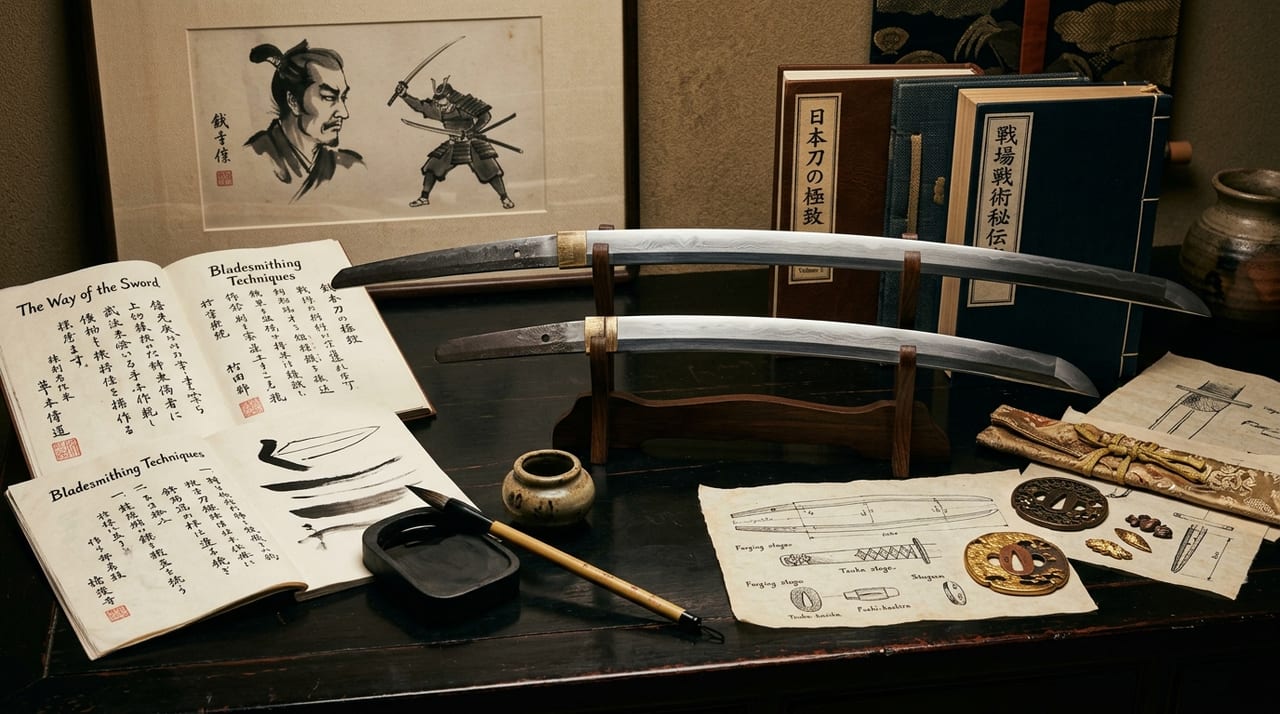
 ※圖片為示意圖。
對馬之鬼
GHOST OF TSUSHIMA
2020年由Sucker Punch Productions推出、以1274年文永之役(元寇)為舞台的開放世界遊戲。關於對馬武士·境井仁對抗蒙古軍的故事,以驚人的精度重現了鎌倉時代的太刀、武士的生活與對馬的風土,並因搭載寄寓對日本時代劇電影深深敬意的「黑澤模式」而備受矚目。其向世界推廣被譽為日本刀黃金期的鎌倉時代刀劍文化的功績是巨大的。
解說
鎌倉時代的再現
Ghost of Tsushima(2020年)是以1274年的文永之役為舞台,描繪對馬武士境井仁壯烈戰鬥的開放世界遊戲,讓全世界遊戲玩家體驗了被譽為日本刀黃金時代的鎌倉時代刀劍文化的開創性作品。Sucker Punch Productions的員工在開發中訪問了日本,對對馬的風土、鎌倉時期的武士文化、日本刀的製作技術進行了徹底的調查。其成果反映在遊戲內太刀的造形、殺陣的動作,乃至武士的舉止等各處。
時代的刀劍
遊戲內的刀劍忠實地再現了鎌倉時代的太刀。鎌倉時代被認為是日本刀史上最重要的時代,武家政權的建立和相繼的戰亂強力推進了刀的進化。平安時代細身優美的太刀,到鎌倉中期身幅變寬、厚度加厚、擁有豬首切先的實戰性造型。特別是文永之役、弘安之役這兩次蒙古襲來給日本刀的製作思想帶來了決定性的轉機。為了對抗蒙古軍的厚重皮甲和集團戰法,需要更加堅固、具有優越斬撃力的刀,因此開始鍛造身幅寬、厚度厚、反彎深的雄壯太刀。
名工們的活躍
在這個時代活躍的刀工是閃耀日本刀史的群星般的存在。相州傳的祖師新藤五國光以山城傳(粟田口)和備前傳的技法為基礎,開拓了獨自的鍛法,為後來輩出正宗的相州鍛冶奠定了基礎。山城國的來派中來國俊、來國行活躍,優美且具有品格的作風體現了山城傳的真髓。備前國的長船派祖師光忠以華麗的丁子亂刃風靡一時,其子長光、孫景光相繼,長船三代築造了備前刀的黃金時代。這些名工相互競爭、相互提升的鎌倉時代,正是日本刀的藝術性和實用性最高度融合的奇蹟時代。
文化的敬意
Ghost of Tsushima雖然由美國開發公司制作而非日本遊戲公司,卻充滿了對日本文化的敬意,甚至獲得了對馬市的感謝狀。這款遊戲促使訪問對馬的外國遊客增加,日本歷史和刀劍文化的國際關注度提高了,這是值得特別提到的。刀劍座提供與這一鎌倉時代刀工系譜相承的真正日本刀。
登場的真實刀劍
Kamakura Period Tachi
A group of swords that symbolize the golden age of Japanese swords. With the establishment of the Kamakura shogunate, samurai political power became more formalized, and demand for blades suited to actual combat increased dramatically. Initially inheriting the slender form of the Heian period, blade width gradually increased; by the mid-period, the imposing tachi form with the inokubi kissaki (wild boar neck point) was established. The curvature transitioned from koshizori (waist curve) to nakizori (middle curve), directly reflecting the shift in combat style from mounted to foot warfare. Kamakura period tachi are often praised for having "fine form," embodying a perfect harmony of utility and beauty.
Shintōgo Kunimitsu (shintōgo kunimitsu)
A master smith active in the late Kamakura period, regarded as the founder of the Soshu tradition. Inheriting the line of the Awataguchi school of Yamashiro Province, he studied in Kyoto before relocating to Kamakura, where he established his distinctive style featuring straight blades with characteristic strong nie. He achieved particular acclaim as a master of tantō (short swords), and his refined craftsmanship exerted profound influence on the later Masamune. The character "go" in Shintōgo is an abbreviation of Goro; without this swordsmith, the completion of the Soshu tradition would not have been possible. Surviving works by Kunimitsu are limited in number, yet all are held in extremely high regard as fine swords.
Rai Kunitoshi (rai kunitoshi)
A representative swordsmith of the Rai school who was active in late Kamakura in Yamashiro Province (Kyoto). While some theories suggest the Rai school descended from immigrant smiths from Goryeo, this remains uncertain. Kunitoshi's style was characterized by dignified straight blades with small-scale nie work, and the beauty of his polished steel is said to embody the essence of the Yamashiro tradition. He produced masterworks in both tachi and tantō, and many of his signed tachi are designated as National Treasures or Important Cultural Properties. The Rai school continued through his sons Rai Kunimitsu and Rai Kunitsugu, becoming a leading group of Yamashiro smiths that flourished from the late Kamakura through the Nanboku-cho periods.
Mongol Invasions
A collective term for the 1274 Bun'ei Invasion and the 1281 Koan Invasion. These were two military campaigns launched by the Mongol Empire under Kublai Khan against Japan, and they had an immeasurable impact on the history of the Japanese sword. Against the thick leather armor and group tactics employed by the Mongol forces, traditional Japanese blades were sometimes reported to chip, generating demand for sturdier tachi with broader blade width and thicker cross-section. Furthermore, the Mongol forces' firearms, exemplified by tetsuhau (jinguan/thunderclap bombs), profoundly shocked the Japanese samurai and catalyzed a fundamental transformation in their combat philosophy. The invasion depicted in Ghost of Tsushima is precisely this historical turning point, and the fierce battles waged by the samurai of Tsushima are recorded in history as the "Tsushima no Eki" (Tsushima Invasion).
瀏覽真正的日本刀
瀏覽真正的日本刀本頁旨在介紹日本刀文化,與各作品的著作權持有者無關。