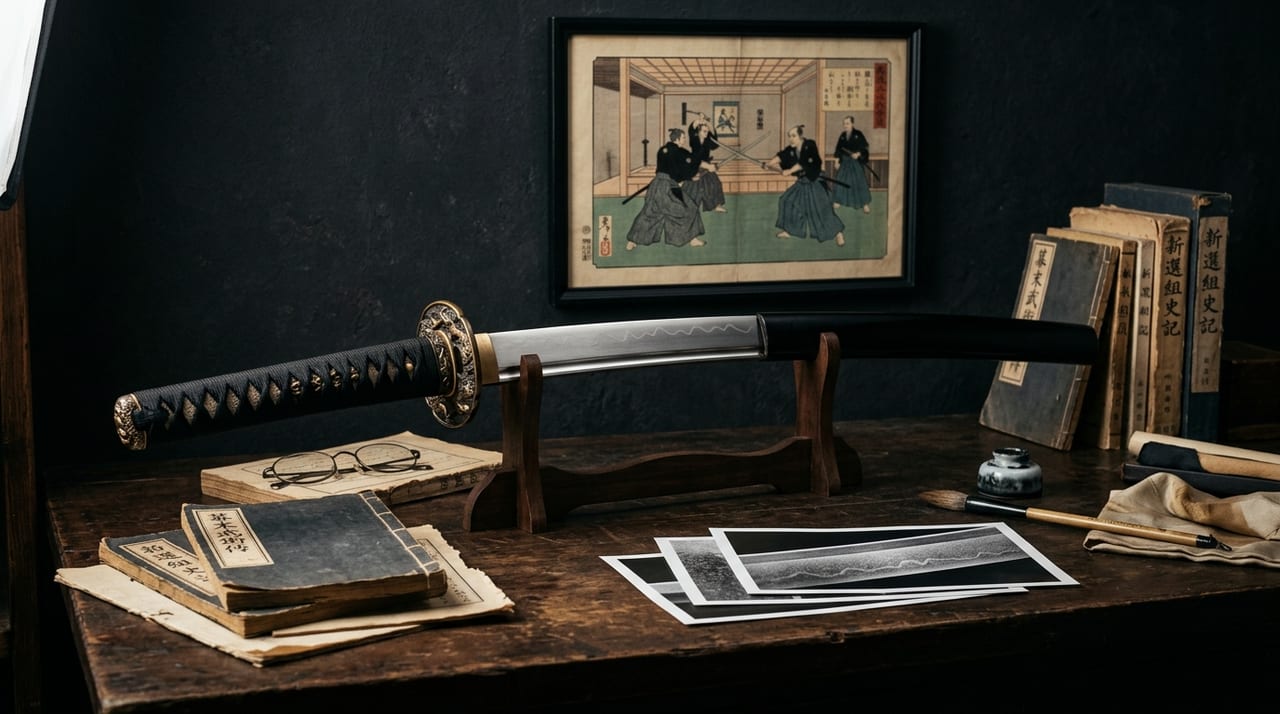
 ※圖片為示意圖。
青之米布羅
青のミブロ
由安田剛士創作的漫畫(2021年起連載於講談社『週刊少年マガジン』)。以幕末京都為舞台,從新選組的前身『壬生浪士組』時代開始描繪的歷史青春劍劇。主人公におが與土方歲三、近藤勇、沖田總司等相遇,學習劍術與人生態度。2024年動畫化(TV動畫第1期全12集)。細緻描繪新選組的劍術、隊規與時代背景,強烈觸及對『hijikata toshizo』等土方歲三感興趣的讀者的作品。
解說
青のミブロ——新選組誕生前夜を駆け抜ける青春劍劇
青のミブロ是由安田剛士創作的漫畫作品(2021年~,連載於講談社《週刊少年マガジン》),2024年播映了電視動畫第1期(全12話)。以幕末京都為舞台,故事從新選組的前身「壬生浪士組」時代開始,這一點與其他新選組作品有很大不同。土方歲三、近藤勇、沖田總司等史實人物作為劍士成長的過程,用少年漫畫的文法生動地描繪出來。
### 物語の核心——「壬生浪士組」という出発点
本作關注的不是許多文藝作品描寫的「馳名天下的新選組」,而是它之前的「無名劍士的聚集」這一起點。文久2年(1862年),被幕府命令警護京都守護職松平容保的壬生浪士組,是由出身卑微的浪人、農民子弟聚集而成的組織。主人公是飛身進入那個組織的少年,通過他,讀者目睹了土方歲三、近藤勇、沖田總司、山南敬助、永倉新八等人年輕時的模樣。
土方歲三(ひじかたとしぞう)的描寫是本作最大的看點之一。出身於多摩農家、修習天然理心流的土方,在成為被稱為「鬼副長」的冷酷指揮官之前,被描繪為一個充滿憤怒和矛盾的青年。他磨練出的劍術的驚人之處,以及為維持組織紀律而展現的冷酷無情,都以年輕讀者也能共鳴的方式表現出來,在GSC中「hijikata toshizo」聚集9次搜索印象,體現了新選組的需求。
### 天然理心流と新選組の劍術
從壬生浪士組到新選組的許多成員都是「天然理心流」的使用者。近藤勇是天然理心流的宗家,土方歲三、沖田總司、山南敬助等是其優秀的弟子。本作在動作場景中自然地展現了這個流派的特點——通過沉重木刀的訓練、重視打擊威力的實戰劍風、面向農民和平民開放的門戶。
天然理心流是比「型」更重視「試合(對打)」的流派,其思想直接關聯到新選組「實戰破道場」的精神。本作中的修行場景和比賽描寫體現了這種實戰主義的劍術思想,也是現代劍術和武道愛好者對新選組感到親近的源頭。
### 日本刀との結びつき——土方歲三の和泉守兼定
土方歲三作為愛刀使用的「和泉守兼定(いずみのかみかねさだ)」是以新選組為題材的作品中特別有名的日本刀之一。據說這把刀是由會津藩御用達的刀工十一代和泉守兼定在慶應年間(1860年代)鍛造的,至今仍與土方歲三的遺品一起流傳於函館市碧血碑周邊地區的資料中被述說。
刃長約二尺四寸(約73cm)的打刀,地鐵呈小板目肌,刃文為互之目(ぐのめ)混合小亂的明亮沸出來。茎(なかご)上有「兼定」二字銘,在後世作為「土方歲三的愛刀」獲得相當於重要文化財的待遇,成為了刀劍文化的象徵。由於青のミブロ描繪的是壬生浪士組時代年輕的土方,讀者對這把愛刀出現的階段充滿期待。
同樣,作為沖田總司愛刀而經常被提及的「菊一文字則宗(きくいちもんじのりむね)」(不過在史實中有多種說法),對於以沖田為主要角色來描繪本作的讀者,也成為了接觸日本刀世界的重要入口。
### 史実と創作の絶妙なバランス
本作的一大優勢在於史實人物描寫與少年漫畫娛樂性的完美結合。將幕末的政治緊張局勢(尊王攘夷 vs 佐幕)、京都的社會情勢、浪士的身分問題等歷史背景自然融入主人公的成長敘述中。讀者在知曉歷史事件(池田屋事件、禁門の變等)將至的情況下閱讀,虛構與史實交織的刺激感由此而生。
與以新選組為題材的傑作「薄櫻鬼」(女性向遊戲,2008年)和「壬生義士傳」(電影,2002年)相比,青のミブロ是以男性向少年漫畫視角描繪新選組的罕見作品,通過《週刊少年マガジン》連載的廣泛影響力,承擔著培育下一代刀劍、新選組愛好者的文化角色。
### アニメ化と今後の展望
2024年播映的電視動畫第1期(全12話)在MBS、TBS系列播映,由OxT(「Re:CREATORS」「OverLoad」主題曲)負責主題曲。忠實再現原作畫風的作畫和細緻表現幕末京都氛圍的美術設計獲得好評。連載仍在繼續,隨著故事推進至池田屋事件、新選組成立,預計將獲得進一步關注。
### 刀劍愛好家・新選組ファンへの視点
在以新選組為題材的作品中,青のミブロ以正面對待「劍術修練過程」而備受矚目。土方歲三成為「鬼副長」之前的修行積累、沖田總司作為天才劍士的片鱗、近藤勇作為指導者的資質,都通過刀被細緻地描繪出來。對於對刀劍的美麗和劍術的深奧感興趣的讀者來說,壬生浪士組這一劍士集團的成立過程是完美的入口,而本作正是以魅力的方式呈現了這個入口。
登場的真實刀劍
Tennen Rishin-ryu
A school of practical swordsmanship (kendō) founded by Kondo Kurazounosuke and originating in the Tama region of Musashi Province. Characterized by emphasis on live sparring and combat practice over formal kata, with training centered on the use of heavy wooden swords (bokutō) measuring three shaku three sun—approximately one sun longer than standard. The school accepted students from farming and merchant families. Under its fourth master, Kondo Isami, notable practitioners including Hijikata Toshizo, Okita Soji, Sannan Keisuke, and Nagakura Shinpachi trained here. The school formed the foundation of the Shinsengumi's renowned practical combat prowess, definitively demonstrated during the Ikedaya Incident of 1864.
Izumi-no-Kami Kanesada
A long sword (katana) forged around 1865 during the Keio era by the eleventh-generation Izumi-no-Kami Kanesada, official swordsmith of the Aizu Domain. The blade measures approximately 73 centimeters in length, with fine itame grain in the body metal and a gunome blade pattern with small irregularities, displaying a bright, clear finish with prominent nie. Renowned as the beloved sword of Hijikata Toshizo, carried through the Boshin War and Hakodate War. The tang bears the two-character signature "Kanesada" and remains in private ownership. It is known as a representative example of masterwork blade culture from the final era of the Bakumatsu period, alongside other relics of Hijikata Toshizo.
Kikuichimonji Norimune
A tachi (curved long sword) forged by Ichimonji Norimune, a renowned Bizen master smith, in the early Kamakura period (13th century). Celebrated for its distinguished quality, bearing the imperial chrysanthemum crest that identifies it as a work of the privileged smiths (gōban-kaji) appointed by Emperor Go-Toba, as documented in historical records. While traditionally transmitted as the beloved sword of Okita Soji, historical evidence for this attribution is sparse and remains debated. The blade exhibits characteristic Bizen tradition features: a distinctive clove-blossom irregular blade pattern (chōji-midare) and vivid, bright blade finish with fine nie and nioidesu. These qualities make it highly valued by sword collectors as a masterwork of its age.
The Ikedaya Incident (1864) and Shinsengumi Blades
On June 5, 1864 (Genji 1), Shinsengumi members led by Kondo Isami and approximately ten others conducted a sudden raid on the Ikedaya inn at Sanjo Kiyamacho in Kyoto, where members of the sonnō-jōi (revere emperor, expel foreigners) faction were in secret deliberation. During the fierce nighttime combat, the Shinsengumi slew nine adversaries and captured more than thirty. Okita Soji, debilitated by a flare-up of his chronic tuberculosis, withdrew from combat midway through the fighting. Kondo, Hijikata, Nagakura, and other senior members sustained hours of close-quarters combat. Historical records document that several Shinsengumi blades bent or broke during this prolonged indoor combat on a summer night, providing historical evidence of both the limitations and extraordinary resilience of Japanese steel in actual warfare, and serving as a significant reference in sword history research.
瀏覽真正的日本刀
瀏覽真正的日本刀本頁旨在介紹日本刀文化,與各作品的著作權持有者無關。